
- 0
- 969 words
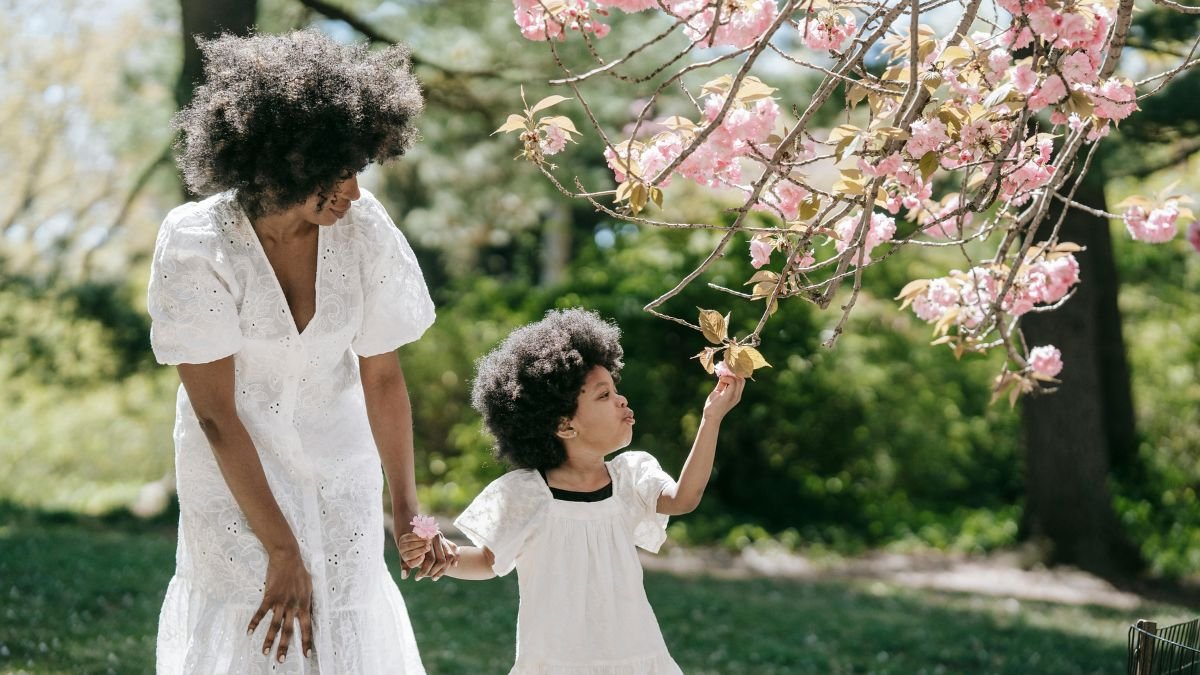
Some children grow up in homes where discipline is loud, where authority is asserted through raised voices and visible dominance. But there is another kind of household—one that operates on a quieter frequency. In these homes, a parent rarely raises their voice, yet their presence alone is enough to command attention, respect, and even a sense of calm control. For a child growing up in such an environment, the understanding of authority becomes something deeply nuanced and profoundly internalized.
The Power of Silence Over Volume
Children are incredibly perceptive. They notice not just what is said, but how it is said—and often, what is left unsaid. A parent who does not rely on shouting teaches their child that authority is not about noise or intimidation. Instead, it is rooted in confidence, consistency, and emotional control. When a parent speaks softly but firmly, it sends a powerful message: control is not something you prove through force, but something you embody through presence.
This kind of parenting creates an atmosphere where words carry weight. Because the parent does not overuse their voice, every instruction, every correction, and every expression of approval becomes meaningful. The child learns to listen—not out of fear, but out of respect. Over time, they begin to associate authority not with chaos, but with calm clarity.
Internalizing Respect Instead of Fear
In louder households, obedience is often driven by fear. A child complies because they want to avoid punishment or confrontation. But in a quieter environment, obedience tends to come from understanding. The child respects the parent not because they are afraid of them, but because they trust them.
This distinction is crucial. When fear is the motivator, it often fades in the absence of the authority figure. But respect, once internalized, becomes a guiding principle. Children raised by calm yet commanding parents often carry this respect into other areas of life. They are more likely to respond positively to teachers, mentors, and leaders who exhibit the same quiet confidence.
Learning That True Power Is Self-Control
Perhaps the most significant lesson these children absorb is that true power lies in self-control. A parent who never raises their voice demonstrates an ability to regulate their emotions, even in challenging situations. This becomes a powerful model for the child.
Instead of reacting impulsively, the child learns to pause, think, and respond thoughtfully. They understand that losing control does not make one powerful—it often does the opposite. This insight can shape their personality in lasting ways, making them more composed, emotionally intelligent, and capable of handling conflict without escalation.
The Subtle Confidence It Builds
Growing up under quiet authority also nurtures a specific kind of confidence. These children are not constantly navigating emotional volatility or unpredictability. Instead, they experience a stable environment where expectations are clear and communication is measured.
As a result, they often develop a strong sense of inner security. They are less likely to equate loudness with strength or aggression with leadership. Instead, they recognize that confidence can be steady, grounded, and unspoken. This understanding influences how they carry themselves in social and professional settings, often giving them a calm yet impactful presence.
A Different Perspective on Leadership
When these children grow into adults, their perception of leadership often reflects their upbringing. They tend to value leaders who listen more than they speak, who act decisively without unnecessary display, and who maintain composure under pressure.
They may also adopt similar traits in their own leadership styles. Rather than dominating conversations or asserting control through force, they lead by example. Their authority is felt rather than imposed, and their influence often comes from the respect they naturally command.
The Lasting Emotional Impact
Beyond behavior and perception, there is also an emotional legacy. Children raised by quietly authoritative parents often feel seen and understood. The absence of yelling creates a space where communication feels safer and more open. Even discipline, when delivered calmly, feels less like punishment and more like guidance.
This can lead to stronger emotional bonds between parent and child. The child does not associate authority with fear or distance, but with trust and reliability. This foundation can shape their relationships throughout life, making them more empathetic, patient, and emotionally aware.
Conclusion
Children who grow up with a parent who never raises their voice but still commands every room carry with them a unique understanding of authority. They learn that real power does not need to be loud, forceful, or dramatic. Instead, it is quiet, steady, and deeply rooted in self-control and confidence. This lesson, absorbed in the subtle moments of everyday life, becomes a guiding principle—one that shapes how they see the world, how they interact with others, and how they ultimately lead their own lives.
FAQs
Q1. What is silent authority in parenting?
It means guiding children through calm behavior and presence rather than shouting or fear.
Q2. Do quiet parents have more influence?
Yes, their calm confidence often earns deeper respect and long-term influence.
Q3. How does this parenting style affect children?
Children develop emotional intelligence, respect for others, and a strong sense of self-control.
Author

fouzik457@gmail.com
Related Posts

Hidden Pain of Venezuelan Migrants: The Psychological Crisis You Didn’t Know
- 0
- 997 words
Hidden Pain of Venezuelan Migrants: The continuous exodus of millions of people from Venezuela is not merely a story of physical displacement;...
Psychology tells us that adults who DON’T have close friends aren’t necessarily introverted or cold; many simply learned long ago that letting others get too close was the quickest way to get hurt
- 0
- 1,228 word
Psychology tells us that adults who DON’T have close friends aren’t necessarily introverted or cold: In today’s world, it is common for...

Psychology Explains Why 1960s and 1970s Kids Became Emotionally Strong Through Independence
- 0
- 1,266 word
The childhood experience of those who grew up in the 1960s and 1970s often looks dramatically different from what children experience today....

Psychology suggests that the kindest people don’t always end up surrounded by close friends; they have often learned to be helpful, understanding, and available in ways that make others feel cared for, but not necessarily understood by them
- 0
- 972 words
Kindness is often seen as a bridge that connects people, a quality that naturally attracts warmth, appreciation, and companionship. We tend to...

Exploring Behavioral Psychology: The Science Behind Human Actions
- 0
- 885 words
Behavioral Psychology is the science that seeks to understand the underlying causes behind human behavior. It is not limited merely to thoughts...

Powerful Behavioral Psychology Insights for Everyday Life
- 0
- 1,409 word
Human behavior often feels unpredictable, yet much of what we do follows patterns shaped by our thoughts, environment, and past experiences. Behavioral...
- applied behavioral psychology
- behavior change strategies
- behavior improvement tips
- behavioral psychology insights
- behavioral science concepts
- cognitive behavior patterns
- decision making psychology
- everyday psychology tips
- habit formation psychology
- human behavior psychology
- human thinking patterns
- mental behavior analysis
- psychological behavior insights
- psychology of actions
- psychology of habits