
- 0
- 997 words
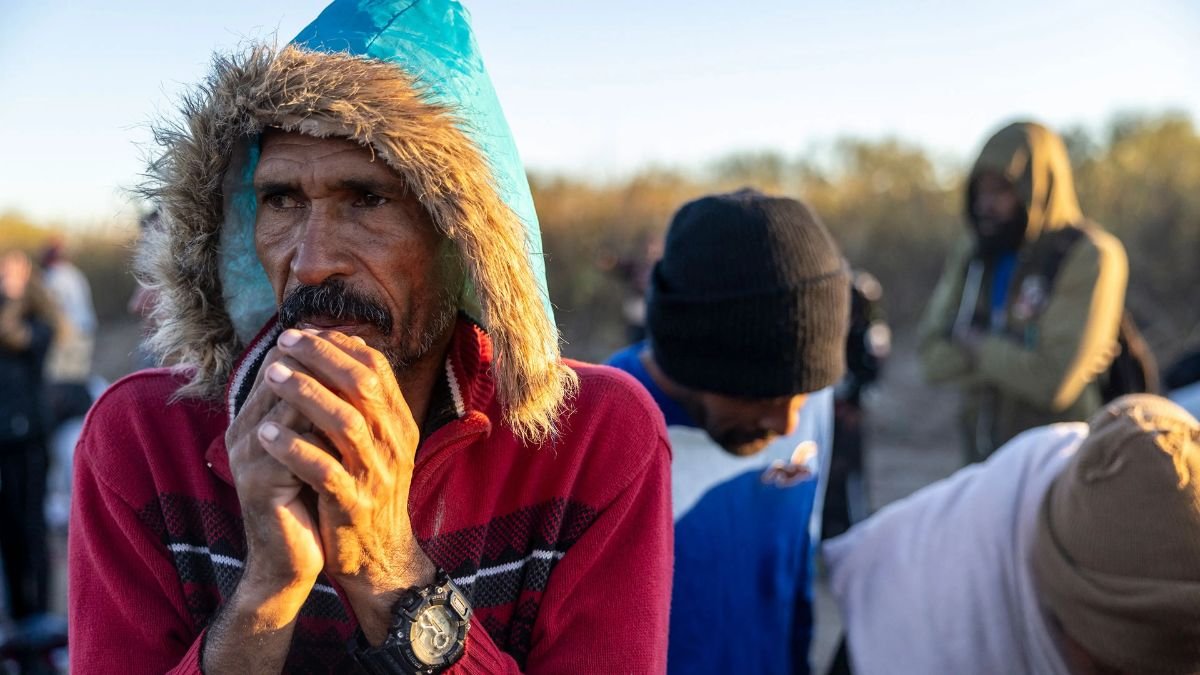
Hidden Pain of Venezuelan Migrants: The continuous exodus of millions of people from Venezuela is not merely a story of physical displacement; it also symbolizes a profound psychological crisis. Due to the collapse of the social and economic infrastructure, people have been forced to leave behind their homes, families, and identities. This situation is often referred to as “forced displacement.” However, its impact is not limited solely to a change of location—it leaves a deep imprint on people’s minds and emotions. Numerous studies indicate that the prevalence of mental illnesses among Venezuelan migrants is several times higher than the global average. This has evolved into a “syndemic” situation, wherein psychological stress and economic hardships intertwine to make people’s lives even more arduous.
Severe Impact on Mental Health
Studies clearly demonstrate that mental disorders such as depression, anxiety, and PTSD (Post-Traumatic Stress Disorder) have become highly prevalent among Venezuelan migrants. For instance, surveys conducted in Colombia revealed symptoms of depression in approximately 54 to 56 percent of migrants. In contrast, in the U.S. state of Florida, this figure was observed to be around 39 to 41 percent. States of anxiety and fear are also quite common; signs of anxiety were detected in nearly one-third of the people at the borders of Ecuador and Peru. Furthermore, in Colombia, a potential risk of PTSD was identified in 21 to 35 percent of the population.
Experts also contend that this situation cannot be understood merely as a singular, isolated event. It is termed “Continuous Traumatic Stress,” a condition in which danger and uncertainty persist unceasingly. In other words, migrants do not merely grapple with past traumas; the uncertainties of the future and the instability of the present also continue to take a toll on their mental health.
Hidden and Unique Psychological Pressures
In addition to the standard challenges associated with migration, Venezuelan migrants face certain distinct forms of psychological pressure. Foremost among these is duelo migratorio—the grief of migration. This entails not merely the sorrow of leaving one’s home, but also encompasses the loss of social identity, profession, and dignity.
Many professionals—such as doctors or teachers—find themselves compelled to take up menial jobs in their new countries. This has a profound impact on their self-image and self-esteem. Furthermore, the loss of their national identity and social status creates a sense of instability and disorientation.
Additionally, many people cross borders on foot; these individuals are referred to as caminantes. This journey is not only physically arduous but also mentally exhausting. On the other hand, cultural tension and discrimination constitute a significant problem. Surprisingly, even in countries like Colombia—where the language is the same—migrants still face substantial discrimination. This increases the likelihood of negative impacts on mental health by a factor of 2.4.
Disproportionate Impact on Vulnerable Groups
The impact of this crisis is not uniform across the population. Certain groups are at a heightened risk. The situation is particularly difficult for pregnant women, as the stress and insecurity inherent in migration further compromise their mental well-being, thereby increasing their susceptibility to depression.
Children and adolescents are also deeply affected by this crisis. Many children have endured hunger and malnutrition prior to migrating, conditions that subsequently contribute to depression. Moreover, many families are forced to migrate in stages, resulting in children being separated from their parents.
For members of the transgender community, the situation is even more dire. They are frequently ostracized by their own families and continue to face violence and exploitation in their new environments. This significantly heightens their risk of developing severe depression and experiencing suicidal ideation.
Resilience and Coping Strategies
Despite these myriad challenges, Venezuelan migrants remain unbroken. Their culture and community ties provide them with the strength to move forward. A mindset like “Pa’lante”—meaning to keep moving forward and never give up—serves as a vital source of psychological support for them.
Furthermore, “Desahogo”—the open expression of emotions—also serves as a means of relief for them. Sitting together in a group to share their stories and vent their feelings helps alleviate mental stress. In some cities, migrant women are being trained as community leaders; through this initiative, they are not only able to transform their own experiences into positive outcomes but are also empowered to assist others.
Conclusion
The Venezuelan exodus is not merely a humanitarian crisis; it is also a profound mental health crisis. To comprehend this issue fully, it is insufficient to examine only the economic or social dimensions; rather, its psychological repercussions must also be taken seriously. Moreover, it is imperative that migrants be provided with mental health assistance and social support, enabling them to steer their lives in a new direction once again.
FAQs
Q. Why are Venezuelans leaving their country?
A. Due to economic collapse, political instability, lack of basic services, and safety concerns.
Q. What mental health issues are common among migrants?
A. Depression, anxiety, and PTSD are the most common problems.
Q. What is “continuous traumatic stress”?
A. It means stress that doesn’t stop—migrants face ongoing fear, uncertainty, and instability even after leaving.
Author

piyushkohli563@gmail.com
Related Posts

Psychology tells us that adults who DON’T have close friends aren’t necessarily introverted or cold; many simply learned long ago that letting others get too close was the quickest way to get hurt
- 0
- 1,228 word
Psychology tells us that adults who DON’T have close friends aren’t necessarily introverted or cold: In today’s world, it is common for...

Psychology Explains Why 1960s and 1970s Kids Became Emotionally Strong Through Independence
- 0
- 1,266 word
The childhood experience of those who grew up in the 1960s and 1970s often looks dramatically different from what children experience today....

Psychology suggests that the kindest people don’t always end up surrounded by close friends; they have often learned to be helpful, understanding, and available in ways that make others feel cared for, but not necessarily understood by them
- 0
- 972 words
Kindness is often seen as a bridge that connects people, a quality that naturally attracts warmth, appreciation, and companionship. We tend to...

Exploring Behavioral Psychology: The Science Behind Human Actions
- 0
- 885 words
Behavioral Psychology is the science that seeks to understand the underlying causes behind human behavior. It is not limited merely to thoughts...

Powerful Behavioral Psychology Insights for Everyday Life
- 0
- 1,409 word
Human behavior often feels unpredictable, yet much of what we do follows patterns shaped by our thoughts, environment, and past experiences. Behavioral...
- applied behavioral psychology
- behavior change strategies
- behavior improvement tips
- behavioral psychology insights
- behavioral science concepts
- cognitive behavior patterns
- decision making psychology
- everyday psychology tips
- habit formation psychology
- human behavior psychology
- human thinking patterns
- mental behavior analysis
- psychological behavior insights
- psychology of actions
- psychology of habits

How the Psychology of Winning Influences Success and Performance
- 0
- 1,360 word
Success is often seen as the result of talent, hard work, or luck. While all of these factors play a role, there...
- achieving goals psychology
- high performance mindset
- mental strength for success
- mental toughness strategies
- mindset for winning
- motivation and success psychology
- performance mindset tips
- positive mindset for success
- psychology of success habits
- psychology of winning
- self improvement psychology
- success psychology
- success thinking patterns
- winning habits psychology
- winning mindset