
- 0
- 1,228 word
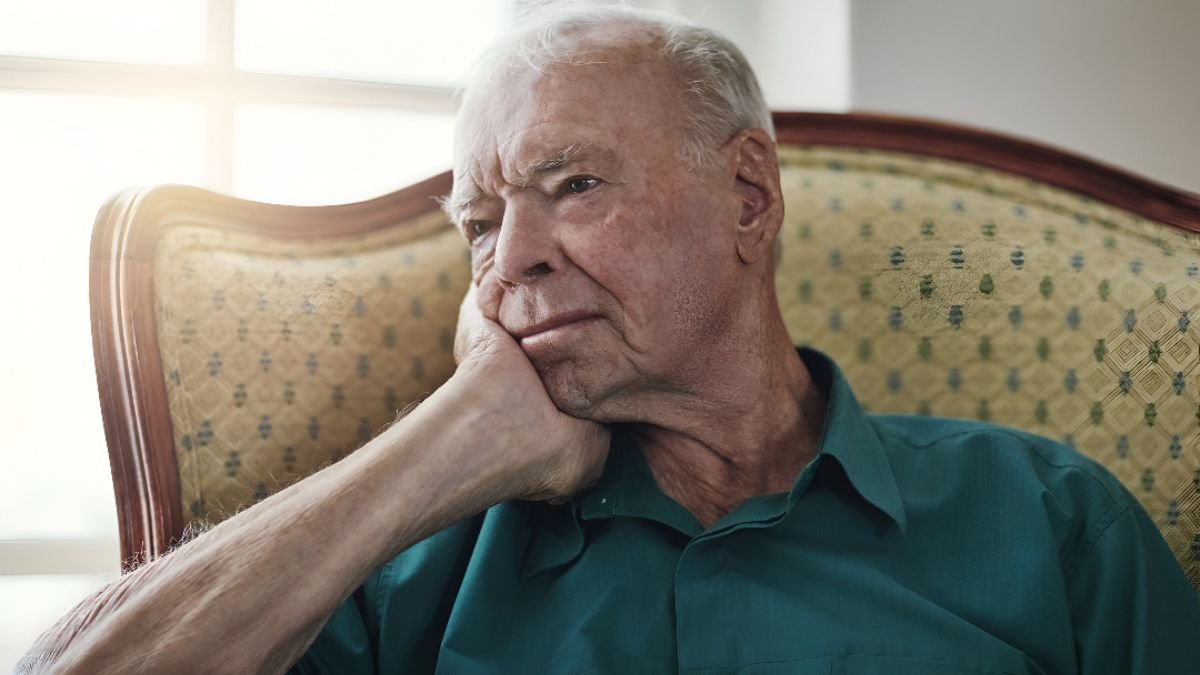
Psychology tells us that adults who DON’T have close friends aren’t necessarily introverted or cold: In today’s world, it is common for a person to have a demanding job, a packed calendar, and hundreds of contacts in their phone. Yet, there are many who lack a single person who truly understands them. On the surface, they appear completely “normal” and successful; inwardly, however, a sense of distance persists. This distance is often not intentional, but rather a habit acquired over time.
Author Justin Brown recounts an intriguing experience involving a successful individual who candidly admitted that while he is not “alone,” he simply does not allow anyone to get close to him. This highlights a crucial point: for some people, this distance is not a preference, but rather a protective shield.
The Dearth of Friendship: A Growing Reality
In the modern era, “having no close friends” is no longer as rare as it was once believed to be. Numerous surveys indicate that a significant number of adults lack even a single friend with whom they can share their innermost thoughts. This does not imply that every such individual is unhappy—some genuinely prefer solitude, while others may simply be navigating a temporary phase in their lives.
However, a distinct distinction is emerging: knowing people versus being truly known by someone—these are two fundamentally different things. It is this very gap that is gradually widening.

Attachment Theory: The Roots of Relationships in Childhood
To understand this behavior, “attachment theory” is considered a pivotal concept in psychology. John Bowlby and Mary Ainsworth played a significant role in developing this theory, which was later further expanded upon by Inge Bretherton.
According to this theory, our early experiences with caregivers during childhood determine how we perceive relationships in adulthood. If we received love and support during our formative years, we tend to view intimacy as safe and secure. Conversely, if we were neglected or emotionally hurt, our minds establish a different rule: distance equals safety.
Avoidant Attachment: The Psychology of Distance
Closely linked to this is a specific pattern known as “Avoidant Attachment.” This does not imply that the individual hates people or is antisocial. Rather, it is a learned strategy that asserts: “If I do not depend on anyone, I will not get hurt.”
Such individuals often appear strong and self-reliant. They are competent in their work, remain composed during crises, and are dependable to others. Yet, hidden behind this strength lies an unspoken rule—do not get too close to anyone.
When Self-Reliance Becomes a Shield
Psychologists Mario Mikulincer and Phillip R. Shaver have termed this “deactivating strategies”—mental processes that aid in suppressing emotions.
In real life, this manifests in the following ways:
- If someone asks about your feelings, you change the subject.
- You downplay or minimize your problems.
- You keep yourself constantly busy to avoid having to rely on anyone.
Gradually, this habit becomes so deeply ingrained that the individual becomes disconnected even from their own true emotions.
What Do the Mind and Body Say?
Modern research also indicates that this is not merely a matter of mindset; rather, both the mind and the body are involved. Research by Linda A. Antonucci and her colleagues suggests that individuals with insecure attachment styles possess emotional processing systems in their brains that function differently.
Simply put:
- Certain regions of the brain perceive emotions.
- Other regions regulate them.
Individuals exhibiting avoidant patterns often suppress their emotions; however, this does not eliminate the stress—it merely causes it to accumulate internally. This is precisely why close relationships can make them feel uncomfortable.
Why Doesn’t the Advice to “Open Up” Always Work?
People are typically advised, “Go out and meet people, express yourself freely, and make new friends.” However, this advice is not effective for everyone—particularly for those for whom intimacy itself is a source of fear.
Vivek H. Murthy has also warned that loneliness and social isolation can have serious repercussions on one’s health. However, the solution to this isn’t simply meeting more people—rather, it lies in building safe and trustworthy relationships.
The Solution: ‘Earned Security’ Develops Gradually
For such individuals, the most effective approach is “earned security”—that is, gradually gaining experience with safe relationships. This is not a change that happens overnight.
Small steps can be helpful:
- Being a little more honest during conversations
- Attempting to share one’s feelings
- Spending time with people who do not judge
In many cases, professional help (therapy) can also facilitate this process.

Conclusion: Distance Is Not Weakness, But a Learned Defense
Not everyone who lacks close friends is cold or antisocial. Often, they are simply individuals who learned early in life that getting too close to others can be painful.
The good news is that this pattern is not permanent. With understanding, patience, and the right experiences, it can be changed. True transformation begins when an individual accepts that distance is not the only form of safety—sometimes, connection can offer safety as well.
FAQs
Q. Why do some adults not have close friends?
A. Many have learned to keep emotional distance as a way to protect themselves from getting hurt.
Q. Does having no close friends mean someone is introverted?
A. No, it doesn’t always mean introversion; it can be a learned emotional pattern.
Q. What is avoidant attachment?
A. It is a coping style where people avoid closeness to prevent emotional pain.
Q. Can people with this pattern build close relationships?
A. Yes, with time, trust, and safe experiences, they can develop deeper connections.
Q. What helps overcome emotional distance?
A. Small steps like sharing feelings, building trust, and sometimes therapy can help.
Author

rishabhkumar8929@gmail.com
Related Posts

Hidden Pain of Venezuelan Migrants: The Psychological Crisis You Didn’t Know
- 0
- 997 words
Hidden Pain of Venezuelan Migrants: The continuous exodus of millions of people from Venezuela is not merely a story of physical displacement;...

Psychology Explains Why 1960s and 1970s Kids Became Emotionally Strong Through Independence
- 0
- 1,266 word
The childhood experience of those who grew up in the 1960s and 1970s often looks dramatically different from what children experience today....

Psychology suggests that the kindest people don’t always end up surrounded by close friends; they have often learned to be helpful, understanding, and available in ways that make others feel cared for, but not necessarily understood by them
- 0
- 972 words
Kindness is often seen as a bridge that connects people, a quality that naturally attracts warmth, appreciation, and companionship. We tend to...
Exploring Behavioral Psychology: The Science Behind Human Actions
- 0
- 885 words
Behavioral Psychology is the science that seeks to understand the underlying causes behind human behavior. It is not limited merely to thoughts...

Powerful Behavioral Psychology Insights for Everyday Life
- 0
- 1,409 word
Human behavior often feels unpredictable, yet much of what we do follows patterns shaped by our thoughts, environment, and past experiences. Behavioral...
- applied behavioral psychology
- behavior change strategies
- behavior improvement tips
- behavioral psychology insights
- behavioral science concepts
- cognitive behavior patterns
- decision making psychology
- everyday psychology tips
- habit formation psychology
- human behavior psychology
- human thinking patterns
- mental behavior analysis
- psychological behavior insights
- psychology of actions
- psychology of habits

How the Psychology of Winning Influences Success and Performance
- 0
- 1,360 word
Success is often seen as the result of talent, hard work, or luck. While all of these factors play a role, there...
- achieving goals psychology
- high performance mindset
- mental strength for success
- mental toughness strategies
- mindset for winning
- motivation and success psychology
- performance mindset tips
- positive mindset for success
- psychology of success habits
- psychology of winning
- self improvement psychology
- success psychology
- success thinking patterns
- winning habits psychology
- winning mindset