
- 0
- 1,266 word
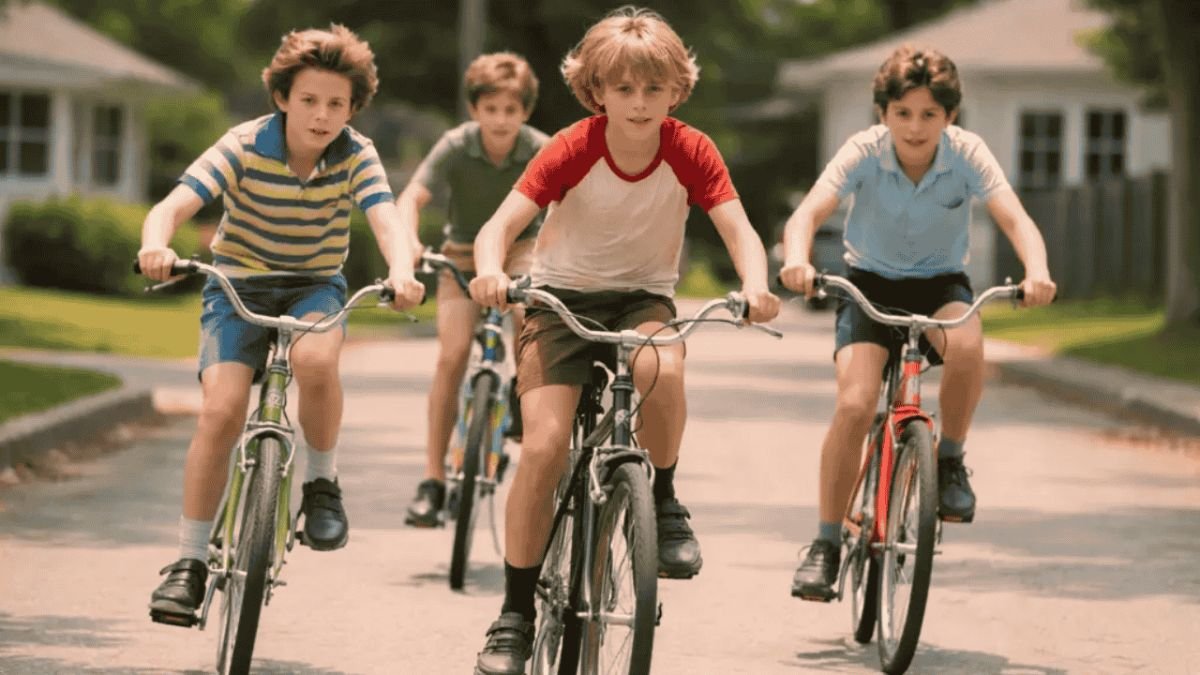
The childhood experience of those who grew up in the 1960s and 1970s often looks dramatically different from what children experience today. It was a time when kids spent more hours outdoors, navigated social interactions without constant adult supervision, and learned life lessons through trial and error. Psychology suggests that the emotional strength often associated with this generation did not necessarily come from superior parenting techniques, but rather from the environment in which they were raised.
This environment, while sometimes described as “neglectful” by today’s standards, offered children something that modern life often limits—space to grow independently. It allowed them to make mistakes, solve their own problems, and regulate their emotions without immediate intervention.
Understanding the Role of “Benign Neglect”
The term “neglect” can sound harsh, but in this context, it does not always imply harmful or abusive conditions. Instead, it refers to a level of reduced supervision that gave children the freedom to explore their world on their own terms.
Children in the 60s and 70s often walked to school alone, played unsupervised for hours, and handled minor conflicts without adult involvement. This “benign neglect” created opportunities for growth that structured and closely monitored environments may not provide.
Through these experiences, children learned how to assess risks, make decisions, and deal with the consequences of their actions. These are foundational skills that contribute significantly to emotional resilience.
The Development of Self-Regulation
One of the key psychological skills developed during this era was self-regulation. Without constant guidance or intervention, children had to manage their own emotions.
If they felt frustrated, bored, or upset, they had to find ways to cope on their own. There were no immediate distractions like smartphones or instant entertainment. Instead, they learned to sit with their feelings, process them, and move forward.
This ability to self-regulate is crucial for emotional stability. It helps individuals remain calm under pressure, adapt to challenges, and maintain control over their reactions.
Learning Through Problem-Solving
Problem-solving was another essential skill that children of this era developed naturally. Everyday situations required them to think critically and act independently.
Whether it was resolving a disagreement with a friend, figuring out how to fix a broken toy, or navigating their neighborhood, they relied on their own judgment. This constant engagement with real-life challenges strengthened their confidence and decision-making abilities.
In contrast, modern children often have quick access to solutions—whether through parental intervention or digital resources. While this can be beneficial in many ways, it may also reduce opportunities for independent problem-solving.
Resilience Built Through Experience
Resilience is not something that can be taught solely through instruction; it is built through experience. The children of the 60s and 70s encountered setbacks and disappointments regularly, and they learned how to recover from them.
They faced boredom, rejection, and failure without immediate comfort or distraction. Over time, these experiences taught them that challenges are a normal part of life and that they have the ability to overcome them.
This resilience became a defining characteristic of the generation. It enabled them to adapt to changing circumstances and handle stress with a greater sense of control.
The Contrast with Modern Comforts
Today’s children grow up in a world filled with conveniences and safeguards. While these advancements have improved safety and access to resources, they have also changed the way children experience challenges.
Parents are more involved, more protective, and more attentive to their children’s needs. Technology provides instant solutions and constant entertainment. While these factors can enhance well-being, they may also limit opportunities for independent growth.
When discomfort or difficulty is quickly removed, children may not develop the same level of tolerance for adversity. This can make it harder for them to build resilience over time.
The Balance Between Support and Independence
It is important to note that the goal is not to romanticize neglect or suggest that less supervision is always better. Instead, psychology emphasizes the importance of balance.
Children need both support and independence. They benefit from guidance and protection, but they also need opportunities to explore, make mistakes, and learn from their experiences.
The challenge for modern parenting is to find this balance. Providing a safe environment while allowing room for independence can help children develop the skills they need to navigate life confidently.
Emotional Strength Beyond Generations
Emotional strength is not exclusive to any particular generation. It is shaped by experiences, environments, and individual differences.
While children of the 60s and 70s may have developed resilience through independence, modern children have access to resources and knowledge that can support their emotional growth in different ways.
The key is to understand the underlying principles—self-regulation, problem-solving, and resilience—and find ways to nurture these qualities in today’s context.
Encouraging Independence in Today’s World
Even in a highly structured and technology-driven environment, it is possible to encourage independence. Small changes can make a significant difference.
Allowing children to solve minor problems on their own, giving them responsibilities, and encouraging unstructured play can help them develop essential life skills.
Creating moments where they can experience manageable challenges without immediate intervention can also build confidence and resilience.
The Lasting Impact of Early Experiences
Childhood experiences have a profound impact on emotional development. The lessons learned during these formative years often shape how individuals respond to challenges later in life.
For those who grew up in the 60s and 70s, the combination of independence and responsibility created a strong foundation for emotional resilience. These experiences taught them that they are capable of handling life’s difficulties.
Conclusion: Lessons from the Past for the Future
The story of 1960s and 1970s childhood is not about better or worse parenting—it is about different circumstances that led to different outcomes. Psychology suggests that the independence and self-reliance fostered during that time played a significant role in developing emotional strength.
As we look toward the future, there is value in reflecting on these lessons. By incorporating opportunities for independence into modern parenting, it is possible to raise children who are both supported and resilient.
Ultimately, emotional strength comes from a combination of care, challenge, and experience. When children are given the space to grow, they develop the confidence and resilience needed to face the world with strength and adaptability.
FAQs
1. Did neglect really make 60s and 70s kids stronger?
Not harmful neglect, but less supervision gave them independence, helping build resilience and problem-solving skills.
2. Why are modern children less independent?
Increased parental involvement and technology reduce opportunities for самостоятельное problem-solving.
3. How can parents build resilience today?
By allowing children to face small challenges, solve problems independently, and develop self-regulation skills.
Author

khushiiiyadavvv21@gmail.com
Related Posts

Hidden Pain of Venezuelan Migrants: The Psychological Crisis You Didn’t Know
- 0
- 997 words
Hidden Pain of Venezuelan Migrants: The continuous exodus of millions of people from Venezuela is not merely a story of physical displacement;...
Psychology tells us that adults who DON’T have close friends aren’t necessarily introverted or cold; many simply learned long ago that letting others get too close was the quickest way to get hurt
- 0
- 1,228 word
Psychology tells us that adults who DON’T have close friends aren’t necessarily introverted or cold: In today’s world, it is common for...

Psychology suggests that the kindest people don’t always end up surrounded by close friends; they have often learned to be helpful, understanding, and available in ways that make others feel cared for, but not necessarily understood by them
- 0
- 972 words
Kindness is often seen as a bridge that connects people, a quality that naturally attracts warmth, appreciation, and companionship. We tend to...

Exploring Behavioral Psychology: The Science Behind Human Actions
- 0
- 885 words
Behavioral Psychology is the science that seeks to understand the underlying causes behind human behavior. It is not limited merely to thoughts...

Powerful Behavioral Psychology Insights for Everyday Life
- 0
- 1,409 word
Human behavior often feels unpredictable, yet much of what we do follows patterns shaped by our thoughts, environment, and past experiences. Behavioral...
- applied behavioral psychology
- behavior change strategies
- behavior improvement tips
- behavioral psychology insights
- behavioral science concepts
- cognitive behavior patterns
- decision making psychology
- everyday psychology tips
- habit formation psychology
- human behavior psychology
- human thinking patterns
- mental behavior analysis
- psychological behavior insights
- psychology of actions
- psychology of habits

How the Psychology of Winning Influences Success and Performance
- 0
- 1,360 word
Success is often seen as the result of talent, hard work, or luck. While all of these factors play a role, there...
- achieving goals psychology
- high performance mindset
- mental strength for success
- mental toughness strategies
- mindset for winning
- motivation and success psychology
- performance mindset tips
- positive mindset for success
- psychology of success habits
- psychology of winning
- self improvement psychology
- success psychology
- success thinking patterns
- winning habits psychology
- winning mindset