
- 0
- 920 words
Venezuela, once one of Latin America’s wealthiest nations, is now facing a deep and prolonged humanitarian emergency. While economic collapse, political instability, and migration often dominate headlines, an equally serious but less visible issue continues to grow—the mental health crisis. This crisis is not isolated; it is deeply intertwined with the country’s social and economic breakdown, affecting millions of people across all age groups.
Causes of the Mental Health Crisis
The primary cause of Venezuela’s mental health crisis lies in its prolonged economic and political instability. Years of hyperinflation, unemployment, and shortages of basic necessities have created constant stress and uncertainty for ordinary citizens. Many families struggle to access food, healthcare, and even electricity, all of which contribute to emotional distress and anxiety.
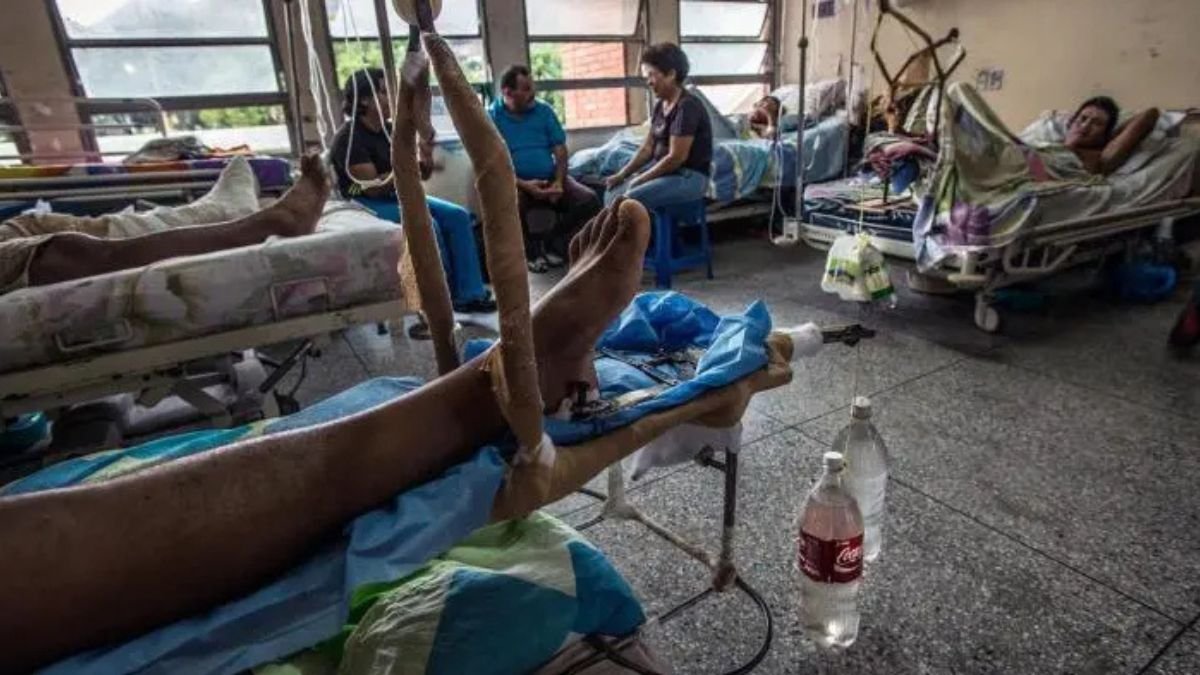
Another major factor is the collapse of the healthcare system. Hospitals lack essential medicines, trained professionals, and proper infrastructure. Psychiatric institutions, in particular, have deteriorated severely, with reports of inadequate facilities and lack of basic care for patients.
Migration has also played a critical role. Millions of Venezuelans have left the country in search of better opportunities, leaving behind families and communities. This separation has led to feelings of loneliness, abandonment, and emotional trauma, especially among the elderly and children.
Additionally, frequent power outages and infrastructure failures have further intensified psychological stress. Studies have shown a direct connection between such disruptions and increased levels of anxiety, depression, and sleep disorders among the population.
Impact on Individuals and Society
The impact of this crisis is widespread and deeply concerning. On an individual level, many people suffer from depression, anxiety, and chronic stress. In extreme cases, rising suicide rates reflect the severity of emotional suffering.
Children are among the most vulnerable. Growing up in an environment of economic hardship and food insecurity has led to increased emotional distress and weakened social support systems. Many children experience fear, uncertainty, and a lack of stability, which can have long-term psychological effects.
Families as a whole are also affected. Financial struggles often lead to conflict, frustration, and breakdown of relationships. Parents face immense pressure to provide for their children, while young adults struggle with limited opportunities and an uncertain future.
At a societal level, the mental health crisis reduces productivity, increases healthcare burdens, and weakens community resilience. When a large portion of the population is mentally distressed, it becomes difficult for the country to recover and rebuild.
Challenges in Addressing the Crisis
Addressing mental health in Venezuela is particularly challenging due to limited resources and political barriers. The healthcare system lacks funding, and mental health services are often not prioritized. Many professionals have emigrated, leading to a shortage of trained psychologists and psychiatrists.
Stigma surrounding mental health is another obstacle. In many communities, mental illness is misunderstood or ignored, preventing individuals from seeking help. This silence further deepens the crisis, as people continue to suffer without support.
Moreover, humanitarian organizations face difficulties in providing consistent assistance due to logistical and political constraints. While some efforts have been made to offer psychological support services, they remain insufficient compared to the scale of the problem.
Possible Solutions
Despite these challenges, there are several potential solutions that can help improve the situation. Strengthening the healthcare system is a critical first step. This includes restoring hospitals, ensuring the availability of medicines, and training mental health professionals.
Community-based support programs can also play an important role. Counseling services, support groups, and awareness campaigns can help reduce stigma and encourage people to seek help. Schools and local organizations can act as important platforms for mental health education.
International cooperation is equally essential. Humanitarian aid, funding, and expertise from global organizations can support Venezuela in rebuilding its mental health infrastructure. Policies aimed at economic recovery and social stability will also indirectly improve mental well-being.
Finally, promoting resilience and coping strategies among individuals can make a difference. Encouraging open conversations about mental health and providing accessible resources can help people manage stress and emotional challenges more effectively.
Conclusion
The mental health crisis in Venezuela is a complex and deeply rooted issue that reflects the broader challenges facing the country. Economic hardship, healthcare collapse, migration, and social instability have created a situation where millions struggle with psychological distress every day. While the challenges are significant, they are not insurmountable. With coordinated efforts from the government, communities, and international organizations, meaningful progress can be made. Addressing mental health is not just a medical necessity—it is a crucial step toward rebuilding Venezuela’s future and restoring hope among its people.
FAQs
Q1. What is causing the mental health crisis in Venezuela?
Economic collapse, poverty, political instability, and a weakened healthcare system are major causes.
Q2. How does the crisis affect people?
It leads to anxiety, depression, stress, and reduced quality of life, especially among vulnerable groups.
Q3. Why is healthcare unable to cope?
Shortages of medicines, lack of infrastructure, and migration of healthcare workers weaken the system.
Author

fouzik457@gmail.com
Related Posts
Psychology in Venezuela: Understanding the Nation’s Mental Health Crisis
- 0
- 1,216 word
Venezuela’s crisis is often discussed in terms of politics, economics, and migration, but one of its most profound and less visible consequences...
Por dentro de las luchas psicológicas de Venezuela en medio del colapso económico.
- 0
- 1,163 word
El país sudamericano Venezuela se enfrenta tanto a una crisis económica como a problemas significativos de salud mental profunda. Venezuela conocida por...
- ansiedad depresión
- bienestar psicológico
- colapso económico Venezuela
- crisis humanitaria
- crisis psicológica Venezuela
- crisis Venezuela
- efectos económicos sociales
- estrés económico
- impacto social Venezuela
- Latinoamérica crisis
- migración venezolana
- pobreza extrema
- salud mental crisis
- salud mental Venezuela
- trauma social
Cómo el colapso económico de Venezuela afecta la salud mental y la sociedad
- 0
- 995 words
Venezuela, país sudamericano anteriormente famoso por su economía floreciente y rica en petróleo, ha vivido la mayor crisis económica en el último...
- ansiedad depresión
- crisis económica efectos
- crisis humanitaria
- economic collapse Venezuela
- humanitarian crisis Venezuela
- impacto social Venezuela
- inflación Venezuela
- Latin America crisis
- migración venezolana
- pobreza Venezuela
- salud mental crisis
- salud mental Venezuela
- social impact economy
- sociedad venezolana
- Venezuela crisis

Guía de El Limón: Nutrición, Beneficios y Usos del Limón
- 0
- 823 words
El limón, conocido como “El Limón” en español, es un cítrico muy común y extremadamente útil que se encuentra en casi todas...
Monto en bolívares del primer Ingreso por Guerra Económica: correspondiente a abril
- 0
- 821 words
El mes de abril de 2026 se considera crucial para quienes dependen del Ingreso por Guerra Económica (Ingreso por Guerra Económica) que...

Mezclar café con bicarbonato | Para qué se utiliza y por qué se recomienda
- 0
- 868 words
Hoy en día, la gente recurre cada vez más a remedios caseros y métodos naturales, especialmente a aquellos que se encuentran fácilmente...