

- 0
- 972 words
Kindness is often seen as a bridge that connects people, a quality that naturally attracts warmth, appreciation, and companionship. We tend to assume that those who are most compassionate will also be the ones surrounded by meaningful friendships and emotional closeness. However, psychology paints a more nuanced picture. The kindest individuals are not always the ones with the strongest social circles. In fact, their generosity and emotional availability can sometimes place them in a quiet, unexpected form of isolation.
The Nature of Deep Empathy
Kind people are often deeply empathetic. They listen without interrupting, support without judging, and give without expecting anything in return. This level of emotional awareness allows them to sense what others need, sometimes even before it is spoken. While this makes them incredibly valuable in relationships, it also creates an imbalance. They become the ones others turn to in times of need, yet their own inner worlds may remain largely unseen.
Empathy, when unreciprocated, can become exhausting. The kindest individuals may find themselves constantly absorbing the emotions of others while suppressing their own. Over time, this can create a sense of emotional distance, not because they lack connections, but because those connections often revolve around giving rather than mutual understanding.
The Habit of Being “The Strong One”
Many kind people develop a reputation for being reliable and emotionally strong. Others see them as someone who can handle anything, someone who doesn’t need help. This perception, while flattering on the surface, can be deeply misleading. It often prevents others from checking in on them or offering support in return.
As a result, these individuals may rarely express vulnerability. Not because they don’t feel it, but because they have learned to prioritize others. They become the safe space for everyone else, yet they may not have a space where they feel equally safe to open up. This imbalance can quietly limit the depth of their friendships.
The Fear of Burdening Others
Kind individuals often carry an internal belief that their problems are less important than those of others. They may hesitate to share their struggles, worrying that doing so would burden someone else. This self-restraint can create a barrier to deeper connections.
Friendship thrives on mutual exchange—both giving and receiving. When one side consistently holds back their own needs, the relationship can remain surface-level. Others may feel cared for, but not truly connected, because they are not given the opportunity to understand or support the kind person in return.
Misunderstood, Not Unloved
It is important to recognize that kind people are not necessarily unloved or unappreciated. In many cases, they are deeply valued by those around them. However, appreciation is not the same as understanding. People may admire their kindness without truly knowing the person behind it.
This creates a subtle loneliness. They are surrounded by people who depend on them, yet they may feel unseen in their own complexity. Their identity becomes tied to what they give rather than who they are.
The Role of Boundaries
One of the key reasons kind individuals struggle with close friendships is the absence of clear boundaries. Their desire to help can lead them to say “yes” even when they feel overwhelmed. Over time, this can lead to emotional fatigue and resentment, even if they don’t openly acknowledge it.
Healthy relationships require balance. When kindness is paired with boundaries, it becomes sustainable. It allows individuals to care for others while also protecting their own emotional well-being. Without this balance, kindness can unintentionally create distance rather than closeness.
Learning to Receive
For many kind people, learning to receive is just as important as learning to give. Accepting help, expressing needs, and allowing others to show care are essential steps toward building deeper connections. It requires vulnerability, which can feel uncomfortable at first, especially for those привыкed to being the supporter rather than the supported.
However, vulnerability is what transforms relationships from functional to meaningful. It invites reciprocity and creates space for genuine understanding.
Conclusion
Kindness is a beautiful and powerful trait, but it does not automatically guarantee deep or lasting friendships. The kindest individuals often carry the quiet burden of being everything for everyone, while their own needs remain in the background. Their challenge is not a lack of love, but a lack of mutual exchange.
True connection is built on balance—on the ability to give and receive, to support and be supported. When kind people learn to share their inner world and set healthy boundaries, their relationships can grow richer and more fulfilling. In doing so, they not only continue to care for others, but also allow themselves to be truly seen, understood, and valued.
FAQs
Q1. Why do kind people often feel lonely?
Kind people give a lot emotionally but may not receive the same depth in return.
Q2. Does being too nice affect friendships?
Yes, over-giving can sometimes lead to imbalance and lack of mutual understanding.
Q3. Are kind people often misunderstood?
Yes, their quiet support is often appreciated but not deeply understood.
Author

fouzik457@gmail.com
Related Posts

Hidden Pain of Venezuelan Migrants: The Psychological Crisis You Didn’t Know
- 0
- 997 words
Hidden Pain of Venezuelan Migrants: The continuous exodus of millions of people from Venezuela is not merely a story of physical displacement;...
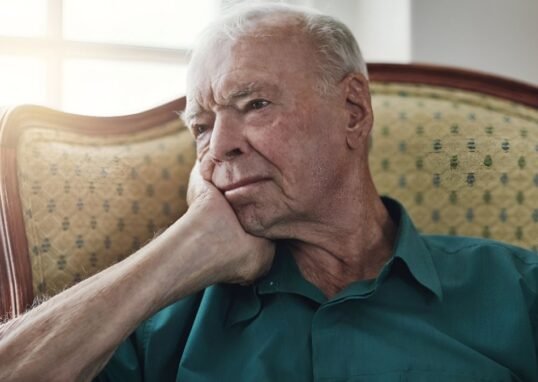
Psychology tells us that adults who DON’T have close friends aren’t necessarily introverted or cold; many simply learned long ago that letting others get too close was the quickest way to get hurt
- 0
- 1,228 word
Psychology tells us that adults who DON’T have close friends aren’t necessarily introverted or cold: In today’s world, it is common for...
Psychology Explains Why 1960s and 1970s Kids Became Emotionally Strong Through Independence
- 0
- 1,266 word
The childhood experience of those who grew up in the 1960s and 1970s often looks dramatically different from what children experience today....
Exploring Behavioral Psychology: The Science Behind Human Actions
- 0
- 885 words
Behavioral Psychology is the science that seeks to understand the underlying causes behind human behavior. It is not limited merely to thoughts...

Powerful Behavioral Psychology Insights for Everyday Life
- 0
- 1,409 word
Human behavior often feels unpredictable, yet much of what we do follows patterns shaped by our thoughts, environment, and past experiences. Behavioral...
- applied behavioral psychology
- behavior change strategies
- behavior improvement tips
- behavioral psychology insights
- behavioral science concepts
- cognitive behavior patterns
- decision making psychology
- everyday psychology tips
- habit formation psychology
- human behavior psychology
- human thinking patterns
- mental behavior analysis
- psychological behavior insights
- psychology of actions
- psychology of habits

How the Psychology of Winning Influences Success and Performance
- 0
- 1,360 word
Success is often seen as the result of talent, hard work, or luck. While all of these factors play a role, there...
- achieving goals psychology
- high performance mindset
- mental strength for success
- mental toughness strategies
- mindset for winning
- motivation and success psychology
- performance mindset tips
- positive mindset for success
- psychology of success habits
- psychology of winning
- self improvement psychology
- success psychology
- success thinking patterns
- winning habits psychology
- winning mindset