
- 0
- 1,233 word
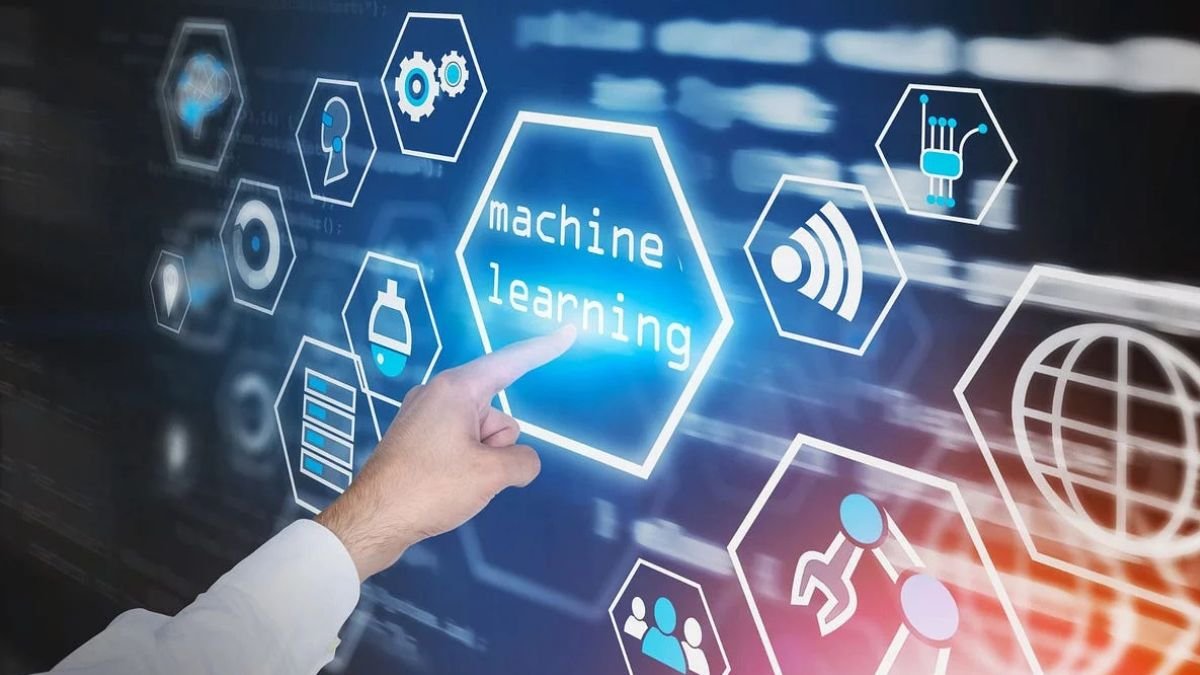
Machine learning (ML), a powerful branch of artificial intelligence, is no longer confined to research labs or tech giants. In 2025, it has become deeply integrated into everyday life, quietly transforming how we solve real-world problems across industries. From improving healthcare outcomes to optimizing business operations and enhancing user experiences, machine learning is reshaping the way decisions are made and challenges are addressed.
What makes machine learning truly impactful is its ability to learn from data and improve over time without being explicitly programmed for every scenario. As data continues to grow and algorithms become more advanced, ML is enabling smarter, faster, and more efficient solutions. Let’s explore how machine learning is driving meaningful change in real-world applications in 2025.
The Growing Role of Machine Learning in Daily Life
One of the most noticeable changes brought by machine learning is how seamlessly it fits into our daily routines. Whether it’s personalized recommendations on streaming platforms, smarter navigation apps, or voice assistants that understand natural language, ML is working behind the scenes to make life more convenient.
In 2025, these systems have become even more intuitive. They learn from user behavior, preferences, and patterns, offering highly personalized experiences. This level of customization not only saves time but also enhances satisfaction, making technology feel more human-centered than ever before.
Transforming Healthcare with Predictive Insights
Healthcare is one of the most important sectors benefiting from machine learning. In 2025, ML models are being used to analyze vast amounts of medical data, helping doctors detect diseases earlier and more accurately. From identifying patterns in imaging scans to predicting patient risks, machine learning is improving diagnosis and treatment outcomes.
Predictive analytics is playing a key role here. By analyzing patient history and real-time data, ML systems can forecast potential health issues before they become critical. This proactive approach allows for timely interventions, reducing costs and saving lives. Additionally, personalized treatment plans based on individual data are becoming more common, leading to more effective care.
Enhancing Business Decisions and Operations
Businesses across industries are leveraging machine learning to make smarter decisions and streamline operations. In 2025, ML tools are helping companies analyze market trends, understand customer behavior, and optimize supply chains.
For example, retailers use machine learning to forecast demand and manage inventory more efficiently, reducing waste and improving profitability. In finance, ML algorithms are used to detect fraudulent transactions and assess risks in real time. These applications not only increase efficiency but also provide a competitive edge in a rapidly evolving market.
Revolutionizing Education Through Personalization
Education is undergoing a transformation with the help of machine learning. In 2025, ML-powered platforms are offering personalized learning experiences tailored to individual students’ needs. By analyzing performance data, these systems can identify strengths and weaknesses, adapting content accordingly.
This approach allows students to learn at their own pace, making education more inclusive and effective. Teachers also benefit from these tools, as they provide insights into student progress and help identify areas where additional support is needed. As a result, the overall learning experience becomes more engaging and productive.
Improving Customer Experience Across Industries
Customer experience has become a key focus for businesses, and machine learning is playing a central role in enhancing it. In 2025, companies are using ML to understand customer preferences and deliver more relevant interactions.
Chatbots and virtual assistants, powered by machine learning, are now capable of handling complex queries with greater accuracy. Recommendation systems suggest products or services based on past behavior, making the shopping experience more enjoyable. These advancements not only improve customer satisfaction but also build long-term loyalty.
Strengthening Cybersecurity Measures
As digital threats continue to evolve, machine learning is becoming an essential tool in cybersecurity. In 2025, ML systems are used to detect unusual patterns and identify potential security breaches in real time.
Unlike traditional methods, which rely on predefined rules, machine learning can adapt to new threats and respond quickly. This makes it highly effective in preventing cyberattacks and protecting sensitive information. Organizations are increasingly relying on ML-driven security solutions to safeguard their data and maintain trust with their users.
Driving Innovation in Transportation and Mobility
Transportation is another area where machine learning is making a significant impact. From autonomous vehicles to smart traffic management systems, ML is helping create safer and more efficient transportation networks.
In 2025, machine learning algorithms are used to analyze traffic patterns, optimize routes, and reduce congestion. Autonomous vehicles are becoming more reliable, thanks to continuous learning from real-world data. These innovations not only improve convenience but also contribute to reducing environmental impact by optimizing fuel usage and lowering emissions.
Supporting Environmental Sustainability
Machine learning is also playing a crucial role in addressing environmental challenges. In 2025, ML models are used to monitor climate patterns, optimize energy consumption, and improve resource management.
For example, smart grids use machine learning to balance energy supply and demand, reducing waste and improving efficiency. In agriculture, ML helps farmers make data-driven decisions, such as predicting crop yields and optimizing irrigation. These applications contribute to more sustainable practices and help tackle global environmental issues.
The Rise of Human-Machine Collaboration
One of the most important shifts in 2025 is the growing collaboration between humans and machine learning systems. Rather than replacing human roles, ML is enhancing them by providing valuable insights and automating repetitive tasks.
This allows professionals to focus on more creative and strategic aspects of their work. For instance, in industries like design, marketing, and research, machine learning assists in generating ideas and analyzing data, while humans bring creativity and critical thinking to the table. This partnership leads to better outcomes and increased productivity.
Challenges and the Need for Responsible Use
Despite its many benefits, machine learning also presents challenges that need to be addressed. Issues such as data privacy, algorithmic bias, and transparency are becoming more prominent as ML systems become more widespread.
In 2025, there is a growing emphasis on ethical AI practices. Organizations are investing in research and frameworks to ensure that machine learning systems are fair, transparent, and accountable. Addressing these challenges is essential to building trust and ensuring that the benefits of ML are shared responsibly.
Conclusion: A Smarter Future with Machine Learning
Machine learning is transforming real-world solutions in ways that were once unimaginable. Its ability to analyze data, learn from patterns, and make intelligent decisions is driving innovation across industries. In 2025, ML is not just a technological advancement—it is a fundamental part of how we solve problems and improve our lives.
As we continue to embrace machine learning, the focus should be on using it responsibly and effectively. By combining technological advancements with human insight and ethical considerations, we can unlock the full potential of machine learning and create a smarter, more sustainable future.
In the end, machine learning is not just changing the world—it is helping us understand it better and make it a better place for everyone.
Author

Deeptik0106@gmail.com
Related Posts

Computer Vision and Image Processing: Applications in Healthcare & Industry
- 0
- 767 words
In today’s digital world, Computer Vision and Image Processing have emerged as technologies evolving at a pace far exceeding our imagination. These...
Read out all
Cybersecurity in the Age of AI: Protecting Data in 2025 and Beyond
- 0
- 648 words
With the advent of technology, everything is performed on the internet, making the need for cybersecurity more crucial than ever. Moreover, with...
Read out all
Distributed and Parallel Computing: Why It Matters for AI and Big Data
- 0
- 837 words
In today’s digital world, the rapid growth of Artificial Intelligence (AI) and Big Data has transformed how we live, work, and make...
Read out all
Blockchain Technology in Computer Science: Beyond Cryptocurrency
- 0
- 742 words
While the use of blockchain technology is predominantly associated with digital currencies, in reality, the technology has much wider implications than just...
Read out all
10 Key Artificial Intelligence Trends Shaping 2025 with Research Data
- 0
- 1,097 word
Artificial Intelligence (AI) is no longer just a futuristic concept—it has become a powerful force shaping how we live, work, and interact...
Read out all
Internet of Things (IoT) and AI Integration: Smart Future Explained
- 0
- 646 words
Today’s world is rapidly advancing toward digital transformation, where everything is becoming interconnected via the internet. The Internet of Things (IoT) and...
Read out all