
- 0
- 767 words
In today’s digital world, Computer Vision and Image Processing have emerged as technologies evolving at a pace far exceeding our imagination. These technologies empower computers with the ability to comprehend and analyze images and videos much like humans do, and to make decisions based on that understanding. When combined with Artificial Intelligence and Machine Learning, these technologies are no longer confined merely to the realm of research; instead, they are revolutionizing critical sectors such as healthcare and industry.
What are Computer Vision and Image Processing?
Computer Vision is a technology that grants computers the capability to understand visual data—specifically images and videos. Image Processing, on the other hand, focuses on processing that data to enhance its quality, analyze it, and extract useful information from it. For instance, detecting a disease in a medical scan or inspecting product quality in a factory—all such tasks are made possible with the aid of these technologies.
The Growing Application of These Technologies in Healthcare
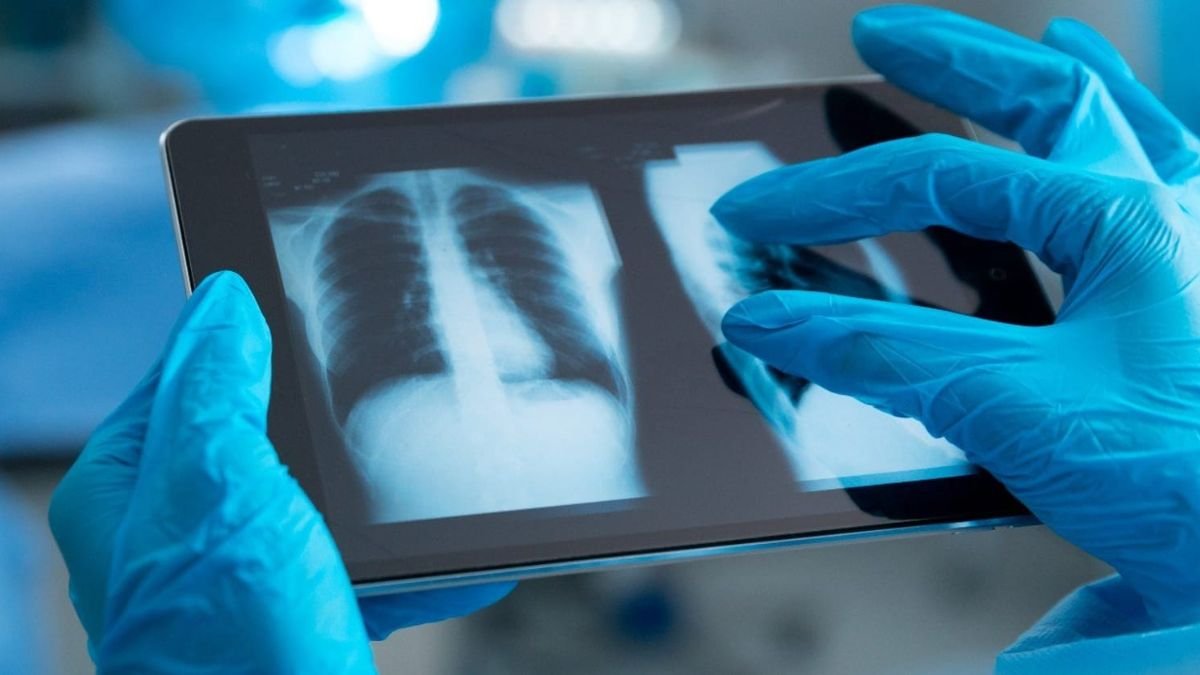
Computer Vision and Image Processing have brought about a transformative shift within the healthcare sector. Today, doctors are utilizing AI-driven tools to analyze medical imagery such as MRIs, CT scans, and X-rays. These tools can identify diseases with exceptional accuracy, thereby facilitating faster and more effective treatment.
For example, detecting serious ailments like cancer in their early stages has now become significantly easier than ever before. AI algorithms can identify even the minutest anomalies—subtle changes that might otherwise go unnoticed by the human eye. This significantly increases the chances of saving patients’ lives and improves the overall success rate of medical treatments.
Contributions to Remote Healthcare and Telemedicine
The application of Computer Vision and Image Processing is also expanding rapidly within the field of telemedicine. Doctors can now remotely examine patients by analyzing images and videos sent from a distance. For instance, skin conditions can be diagnosed simply by reviewing photographs.
Furthermore, smart cameras and sensors can monitor patients’ movements and instantly trigger alerts in the event of any abnormal activity or situation. This simplifies the care and supervision of the elderly and critically ill patients.
Automation and Quality Control in Industry
The application of Computer Vision and Image Processing in industry has elevated automation to a new level. In factories, machines can now independently inspect product quality. If a product contains any defects, the system immediately identifies and segregates it.
This not only accelerates the pace of production but also enhances overall quality. Furthermore, the likelihood of human error is significantly reduced, resulting in economic benefits for companies.
Applications in Security and Surveillance
The use of these technologies in security and surveillance has also expanded significantly. Smart cameras can now perform facial recognition and detect suspicious activities, subsequently issuing alerts.
In industrial settings, this technology is also utilized to ensure employee safety. For instance, if an employee fails to wear appropriate safety gear, the system can issue an immediate warning.
Challenges and Limitations
While Computer Vision and Image Processing offer numerous benefits, they are also accompanied by certain challenges. Data privacy and security constitute a major concern, particularly in the healthcare sector, where sensitive information is involved.
Moreover, the accuracy of these technologies is entirely contingent upon the quality of the data. If the data is flawed, the resulting outcomes may also be erroneous. Additionally, the cost of implementing these technologies can often be substantial, posing a challenge for small businesses.
Future Prospects
In the near future, the application of Computer Vision and Image Processing is expected to become even more widespread. In healthcare, capabilities such as robotic surgery, automated diagnostics, and personalized treatments will undergo further refinement.
Within the industrial sector, “smart factories” and fully automated production systems will emerge, wherein machines will autonomously make decisions and execute tasks. These advancements will steer technological progress in an entirely new direction.
Conclusion
Computer Vision and Image Processing have ushered in a new revolution across both the healthcare and industrial sectors. These technologies are not only making work easier and faster but are also significantly enhancing accuracy and safety. Although there are certainly some challenges, with proper utilization and continuous development, these technologies have the potential to make our lives even better in the future.
Author

ranotiwari22@gmail.com
Related Posts
How Machine Learning is Changing Real-World Solutions in 2025
- 0
- 1,233 word
Machine learning (ML), a powerful branch of artificial intelligence, is no longer confined to research labs or tech giants. In 2025, it...
Read out all
Cybersecurity in the Age of AI: Protecting Data in 2025 and Beyond
- 0
- 648 words
With the advent of technology, everything is performed on the internet, making the need for cybersecurity more crucial than ever. Moreover, with...
Read out all
Distributed and Parallel Computing: Why It Matters for AI and Big Data
- 0
- 837 words
In today’s digital world, the rapid growth of Artificial Intelligence (AI) and Big Data has transformed how we live, work, and make...
Read out all
Blockchain Technology in Computer Science: Beyond Cryptocurrency
- 0
- 742 words
While the use of blockchain technology is predominantly associated with digital currencies, in reality, the technology has much wider implications than just...
Read out all
10 Key Artificial Intelligence Trends Shaping 2025 with Research Data
- 0
- 1,097 word
Artificial Intelligence (AI) is no longer just a futuristic concept—it has become a powerful force shaping how we live, work, and interact...
Read out all
Internet of Things (IoT) and AI Integration: Smart Future Explained
- 0
- 646 words
Today’s world is rapidly advancing toward digital transformation, where everything is becoming interconnected via the internet. The Internet of Things (IoT) and...
Read out all