
- 0
- 646 words
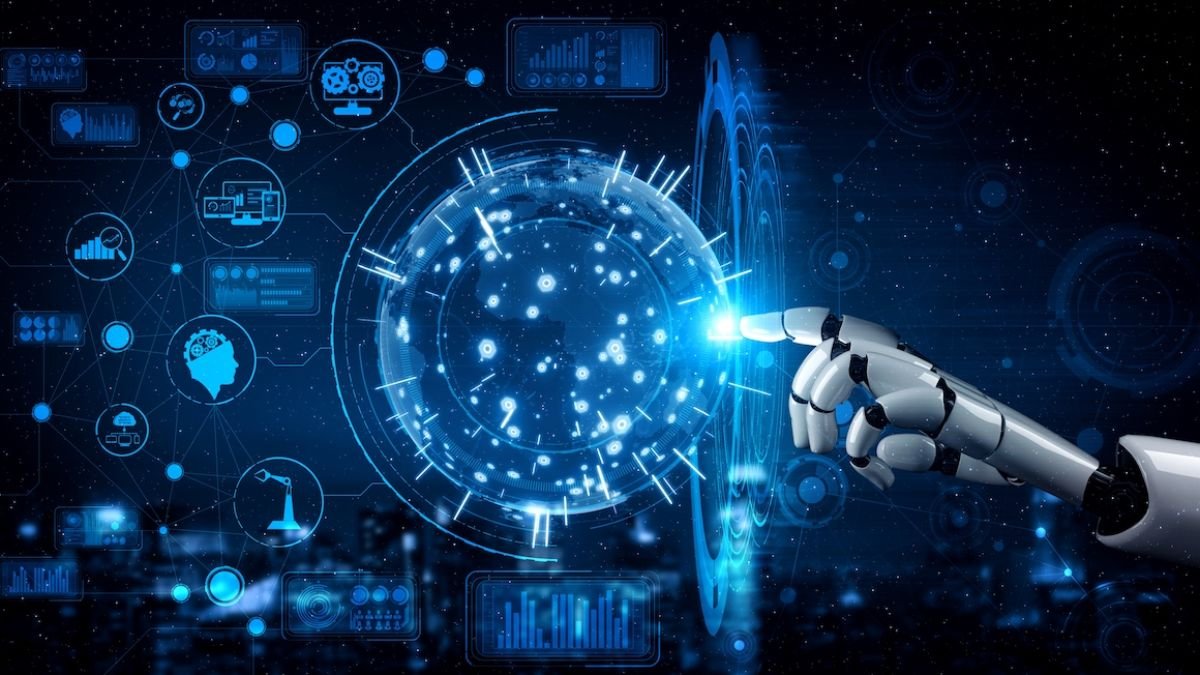
Today’s world is rapidly advancing toward digital transformation, where everything is becoming interconnected via the internet. The Internet of Things (IoT) and Artificial Intelligence (AI) have emerged as the two most critical pillars of this transformation. IoT Integration constitutes a network of devices interconnected through the internet, while AI empowers these devices with the ability to understand, learn, and make decisions. When these two technologies converge, they not only collect data but also autonomously make decisions based on that data, thereby making life smarter and more convenient.
How Does the Integration of IoT and AI Work?
IoT devices—such as smart home appliances, wearables, and industrial sensors—continuously collect data. This data is often massive and complex, necessitating the use of AI to interpret it. AI algorithms analyze this data to identify patterns and, based on those patterns, make predictive decisions for the future. For instance, a smart refrigerator can detect which items in your home are running low and alert you in a timely manner. All of this is the result of the collaborative functioning of IoT and AI.
Transforming Everyday Life
The most profound impact of IoT and AI is evident in our daily lives. Their adoption is rapidly expanding across sectors such as smart homes, smart cities, and healthcare. Today, we utilize devices that understand our voice commands, recognize our habits, and respond accordingly. For example, smart lights automatically switch on or off based on your presence in a room, while fitness bands continuously monitor your health metrics.
Revolutionizing Industry and Business
Beyond just personal lives, IoT and AI have also ushered in a major revolution across industries and businesses. In the manufacturing sector, smart machines can now self-diagnose malfunctions and identify the need for maintenance proactively—before a breakdown occurs. This not only boosts production efficiency but also helps reduce operational costs. In the retail sector, AI analyzes customer behavior to provide personalized recommendations, thereby driving increased sales for businesses.
Challenges and Risks
While the combination of IoT and AI offers numerous benefits, it also comes with certain associated challenges. Data security and privacy constitute the primary concerns, given that millions of devices are connected to the internet. If the security of these devices is compromised, the risk of data theft and cyberattacks could escalate. Furthermore, an excessive reliance on AI can also be risky, as erroneous decisions may be made based on flawed data.
Future Prospects
In the times to come, the adoption of IoT and AI is set to expand even further. Smart cities, automated transport systems, and advanced healthcare solutions are currently being developed through the application of this technology. Envision a world where traffic signals dynamically adjust in response to real-time traffic flow, or where patients in hospitals receive more precise medical treatment with the aid of AI. All of this could become a reality in the near future.
Conclusion
The integration of IoT and AI is not merely a technological trend; it has become the very foundation of the future. Given the way every device today is connecting to the internet—and becoming intelligent through the power of AI—it is evident that our lives are poised to undergo a complete transformation in the years to come. From homes to cities, and from healthcare services to industries, this technology is elevating efficiency, security, and convenience to unprecedented levels across every sector.
However, this advancement also brings with it certain serious challenges, such as data privacy, cybersecurity, and an increasing reliance on technology. If these issues are not addressed effectively, they have the potential to cause harm alongside the benefits they offer. Therefore, it is imperative that governments, companies, and users alike collaborate to foster the safe and responsible use of technology.
Author

ranotiwari22@gmail.com
Related Posts

Computer Vision and Image Processing: Applications in Healthcare & Industry
- 0
- 767 words
In today’s digital world, Computer Vision and Image Processing have emerged as technologies evolving at a pace far exceeding our imagination. These...
Read out all
How Machine Learning is Changing Real-World Solutions in 2025
- 0
- 1,233 word
Machine learning (ML), a powerful branch of artificial intelligence, is no longer confined to research labs or tech giants. In 2025, it...
Read out all
Cybersecurity in the Age of AI: Protecting Data in 2025 and Beyond
- 0
- 648 words
With the advent of technology, everything is performed on the internet, making the need for cybersecurity more crucial than ever. Moreover, with...
Read out all
Distributed and Parallel Computing: Why It Matters for AI and Big Data
- 0
- 837 words
In today’s digital world, the rapid growth of Artificial Intelligence (AI) and Big Data has transformed how we live, work, and make...
Read out all
Blockchain Technology in Computer Science: Beyond Cryptocurrency
- 0
- 742 words
While the use of blockchain technology is predominantly associated with digital currencies, in reality, the technology has much wider implications than just...
Read out all
10 Key Artificial Intelligence Trends Shaping 2025 with Research Data
- 0
- 1,097 word
Artificial Intelligence (AI) is no longer just a futuristic concept—it has become a powerful force shaping how we live, work, and interact...
Read out all