
- 0
- 1,238 word
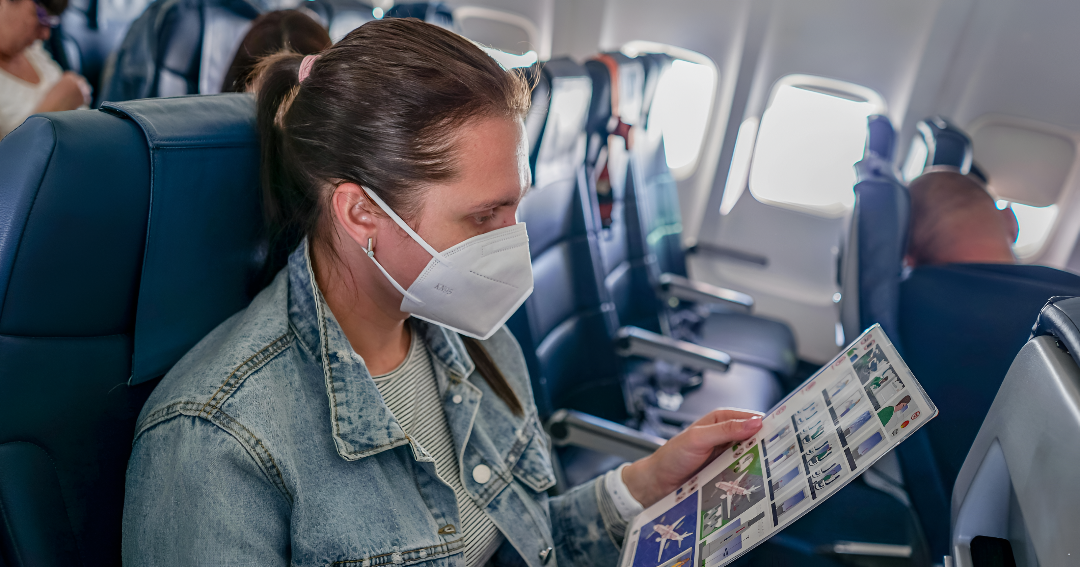
We all have certain small habits that we tend to overlook, deeming them merely routine. Examples include choosing a seat near the door the moment we enter a café, always opting for an aisle seat in a cinema hall, or positioning ourselves in a meeting in a spot that allows for an easy exit. On the surface, all of this appears to be a matter of mere convenience—a little extra space, the freedom to stand up quickly, or a way to avoid the crowd. However, upon closer examination, this reveals not just a desire for convenience but a deeper psychological need. This is where the concept of an “autonomous exit” comes into play—a psychological sensation that assures us we have the ability to disengage from a situation at any given moment.
The Concept of ‘Autonomous Exit’ and Its Impact
“Autonomous exit” signifies a sense of control over oneself—the conviction that you can leave a place or situation whenever and from wherever you choose. Interestingly, most people do not actually wish to leave the location; yet, the mere knowledge that this option is available to them provides a sense of mental tranquility. It acts as a kind of “invisible comfort zone.” When an individual feels that they are not trapped, their mind remains more stable and composed. This is precisely why sitting in an aisle seat provides many people with a sense of relief, even in the absence of any apparent logical reason.

Self-Determination Theory and the Need for Autonomy
To better understand this behavior, it is essential to grasp a key psychological concept known as “self-determination theory,” developed by Edward Deci and Richard Ryan. According to this theory, every human being possesses three fundamental psychological needs: autonomy, competence, and relatedness. Among these, autonomy—the sense of having control over one’s own decisions—exerts the most profound influence. When we select an aisle seat, we are, albeit unconsciously, fulfilling this very need for autonomy. It instills in us the confidence that we maintain control over our situation, regardless of whether or not we choose to exercise that control.
The Link Between a Sense of Control and Anxiety
Psychological research indicates that when individuals lack a sense of control over their immediate environment, their levels of anxiety tend to rise. Conversely, when an individual feels that they can alter their situation at any moment, their nervous system remains significantly calmer. The aisle seat becomes a symbol of this very sense of control. Whether it is a flight, a cinema hall, or a social gathering—sitting on the edge provides the individual with a psychological shield of security. This shield is invisible, yet its impact runs deep.
The Self-Protection Mechanism Hidden Behind the Habit
Often, this habit is linked to our past experiences. If an individual has ever encountered a situation where they felt trapped or uncomfortable, their mind conditions itself to avoid similar circumstances in the future. Choosing an aisle seat becomes an integral part of this preparation. It serves as a form of self-protection mechanism, striving to shield the individual from potential discomfort. Over time, this habit becomes so ingrained that the individual may not even recognize it as such.
The Impact of a ‘Half-In, Half-Out’ Mentality
While this behavior is common, when it becomes excessive, it can adversely affect an individual’s mental state. When a person is constantly preoccupied with thoughts of when and how they might exit a situation, they are unable to be fully present in the moment. This can be described as a “half-in, half-out” mentality—where the individual is physically present yet mentally remains poised for an exit at any moment. This state diminishes the richness of relationships, experiences, and life itself, as the individual is never able to fully engage or connect.
The Buddhist Perspective: A Sign of Detachment from the Present
In Buddhist philosophy, the concept of Upādāna (attachment/clinging) suggests that we simultaneously cling to things and attempt to escape from them. The choice of an aisle seat often reflects this tendency toward avoidance. It serves as a subtle indicator that the individual is not fully grounded in the present moment; rather, a part of their mind is perpetually plotting an escape. This habit can gradually distance the individual from their present-day experiences.

The Need for Balance: Between Control and Presence
It is important to understand that choosing an aisle seat is not inherently wrong. It is a natural human response. However, the problem arises when this habit begins to impact our emotional presence. The key to true balance lies in acknowledging our need for control, while simultaneously learning that an escape plan is not required at every moment. Sometimes, allowing ourselves to be fully immersed in a situation is just as important.
Conclusion: From Habit to Understanding
Ultimately, choosing an aisle seat is not merely a choice of seating; it is a reflection of the needs hidden deep within our psyche. It reveals the extent of security, freedom, and control we seek in our lives. Yet, true balance is achieved when we realize that we do not need to be poised for an exit at all times. Sometimes, simply pausing, staying put, and being fully present is what brings us the greatest peace.
FAQs
Q. What is “autonomous exit” in psychology?
A. It refers to the feeling that you can leave a situation anytime, which provides a sense of control and comfort.
Q. Why do some people prefer aisle seats?
A. They prefer easy movement, personal space, and the psychological comfort of having an exit option.
Q. Does choosing an aisle seat mean someone is anxious?
A. Not always, but it can be linked to a desire for control or reduced anxiety in certain situations.
Q. Is this behavior considered normal?
A. Yes, it’s a common habit and often a natural way people manage comfort and control.
Q. Can this habit affect relationships or behavior?
A. If excessive, it may reflect difficulty staying fully present or emotionally engaged in situations.
Author

rishabhkumar8929@gmail.com
Related Posts

Hidden Pain of Venezuelan Migrants: The Psychological Crisis You Didn’t Know
- 0
- 997 words
Hidden Pain of Venezuelan Migrants: The continuous exodus of millions of people from Venezuela is not merely a story of physical displacement;...
Psychology tells us that adults who DON’T have close friends aren’t necessarily introverted or cold; many simply learned long ago that letting others get too close was the quickest way to get hurt
- 0
- 1,228 word
Psychology tells us that adults who DON’T have close friends aren’t necessarily introverted or cold: In today’s world, it is common for...
Psychology Explains Why 1960s and 1970s Kids Became Emotionally Strong Through Independence
- 0
- 1,266 word
The childhood experience of those who grew up in the 1960s and 1970s often looks dramatically different from what children experience today....

Psychology suggests that the kindest people don’t always end up surrounded by close friends; they have often learned to be helpful, understanding, and available in ways that make others feel cared for, but not necessarily understood by them
- 0
- 972 words
Kindness is often seen as a bridge that connects people, a quality that naturally attracts warmth, appreciation, and companionship. We tend to...
Exploring Behavioral Psychology: The Science Behind Human Actions
- 0
- 885 words
Behavioral Psychology is the science that seeks to understand the underlying causes behind human behavior. It is not limited merely to thoughts...

Powerful Behavioral Psychology Insights for Everyday Life
- 0
- 1,409 word
Human behavior often feels unpredictable, yet much of what we do follows patterns shaped by our thoughts, environment, and past experiences. Behavioral...
- applied behavioral psychology
- behavior change strategies
- behavior improvement tips
- behavioral psychology insights
- behavioral science concepts
- cognitive behavior patterns
- decision making psychology
- everyday psychology tips
- habit formation psychology
- human behavior psychology
- human thinking patterns
- mental behavior analysis
- psychological behavior insights
- psychology of actions
- psychology of habits