
- 0
- 1,362 word
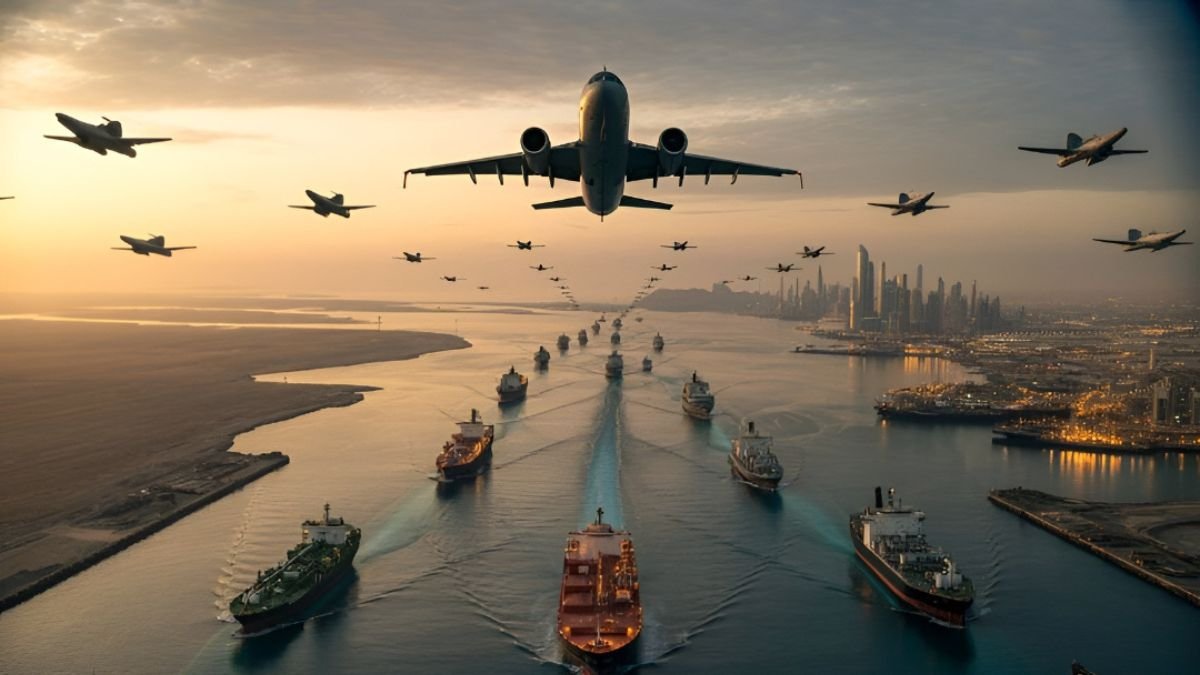
In recent times, a significant shift has been observed in the global energy market and the realm of international travel. A “targeted blockade” strategy implemented by the United States in the Strait of Hormuz has established a new equilibrium for global oil supplies, prices, and the tourism industry. This measure does not entail a complete cessation of supplies; rather, it constitutes a controlled intervention designed to limit Iran’s oil exports while allowing maritime trade to continue for other nations.
The impact of this strategy is not confined solely to the energy market; its positive effects are also clearly evident in the travel and tourism sectors across Asia, the Schengen Area, and the Middle East. Thanks to stable fuel prices, fluctuations in airfares have diminished, thereby bolstering passenger confidence and strengthening international connectivity.
The US Strategy: Controlled Supply, Balanced Stability Without Global Shocks
This US strategy has been meticulously crafted. The Strait of Hormuz—through which approximately 20% of the global oil supply passes—is regarded as the world’s most critical energy artery. Consequently, had a complete blockade been imposed in this region, the global economy could have suffered a severe shock.
However, the United States opted for a different approach. It restricted only Iran’s exports—totaling approximately 2 million barrels per day—while allowing vessels from other nations to pass through unimpeded. The result was that oil supplies were not completely disrupted; instead, a marginal reduction occurred, leading to a gradual price correction without triggering a major crisis.
This represents a form of “controlled tightening”—a scenario where supply is slightly curtailed, yet market stability is maintained. This approach not only keeps the energy market balanced but also helps keep inflation in check.

Significant Gains for Spain and the Schengen Area
The greatest beneficiary of this new situation has been Europe—and Spain, in particular. Spain’s energy infrastructure relies heavily on imported crude oil; thus, an uninterrupted supply of oil through the Strait of Hormuz is absolutely vital for the nation. When supply remains stable, fuel prices do not experience sudden spikes. This has a direct impact on airlines and the tourism industry. Airfares for flights to and from Spain remain steady, leading to an increase in the number of tourists.
In the Schengen Area, this stability becomes even more significant, as cross-border travel is remarkably easy there. When fuel prices are stable, people are able to travel without excessive concern regarding costs. This drives a surge in hotel bookings, tour packages, and local tourism activities.
UAE and Saudi Arabia: Growing Market Share and Tourism Expansion
The decline in Iran’s exports has yielded significant benefits for the Gulf nations—particularly the UAE and Saudi Arabia. These countries are now stepping in to fill the resulting void, thereby expanding their share of the global market.
The UAE has fully capitalized on this opportunity, leveraging its robust infrastructure and air connectivity. Hubs such as Dubai and Abu Dhabi are now connecting an even greater number of travelers, as airlines reap the benefits of stable fuel prices.
Meanwhile, Saudi Arabia—already a major player in the global oil market—is now meeting this additional demand. This is boosting its revenue, which the kingdom is subsequently investing in its ambitious tourism projects and infrastructure development.
Italy and Japan: Stable Energy, Stronger Economies, and Enhanced Travel
For nations like Italy—which rely on imported oil to fuel their refining industries—this stability is of paramount importance. When oil prices remain steady, there are no sudden surges in transportation costs. This has a direct positive effect on tourism, as travel remains both affordable and reliable.
This situation is equally critical for Japan, as the nation depends on these very supply routes for the majority of its oil imports. A stable supply ensures that not only is its industrial production safeguarded, but its transportation and aviation sectors also continue to operate smoothly. This helps maintain a healthy equilibrium in both domestic and international travel.
India: Energy Security, Inflation Control, and a Growing Aviation Sector
India, too, has emerged as a key beneficiary within this entire global landscape. The country’s economy relies heavily on oil imports, and a stable supply translates into controlled fuel prices.
When fuel remains affordable and stable, inflation is also kept in check. This boosts the purchasing power of the common people, thereby giving a fillip to tourism and travel.
Capitalizing on this opportunity, Indian airlines are expanding their services. New routes, improved connectivity, and competitive fares—all these factors have made travel more accessible than ever before.
Oil Price Stability Gives New Momentum to the Tourism Industry
Oil prices constitute the single largest expense for any airline. When prices remain stable, airlines are able to keep their fares in check. Consequently, passengers are spared from facing sudden spikes in airfares.
This impact reverberates across the entire travel industry. Tour operators are able to offer their packages at stable prices, hotel bookings rise, and passenger traffic at airports increases.
This positive shift is clearly evident across three key regions—Asia, Europe, and the Middle East—where the demand for travel is steadily on the rise.
Growing Confidence in the Global Economy
The impact of energy stability extends far beyond just the oil or travel sectors. When market uncertainty diminishes, investor confidence grows. Industries are better positioned to formulate their strategic plans, and supply chains continue to operate without disruption.
This lends strength to the global economy. Companies become more inclined to undertake long-term investments, and trade relations between nations are further solidified.

Conclusion
This strategy adopted by the United States has emerged as a balanced and forward-looking initiative that has successfully stabilized the global energy market without causing any major disruptions. Countries such as Spain, the UAE, Saudi Arabia, Italy, Japan, and India have capitalized on this situation to bolster their energy security, economic stability, and tourism sectors.
It is evident that this is not merely a geopolitical maneuver, but rather a transformative shift that is charting a new course for global travel, trade, and economic growth. In the times to come, this equilibrium could well serve as the bedrock for stability and development across the globe.
FAQs
Q. What is the Strait of Hormuz blockade?
A. It is a controlled U.S. strategy limiting Iranian oil exports while allowing global shipping to continue.
Q. How does this impact oil prices?
A. It stabilizes prices by reducing supply slightly without causing major disruptions.
Q. Which countries benefit the most?
A. Countries like Spain, UAE, Saudi Arabia, India, Italy, and Japan benefit from stable energy supply.
Q. How does it affect travel and tourism?
A. Stable fuel prices reduce airfare volatility, making travel more affordable and predictable.
Q. Does this cause a global oil shortage?
A. No, it creates a controlled supply shift rather than a full disruption.
Author

rishabhkumar8929@gmail.com
Related Posts
2026 GDP Growth Forecasts for the World’s 20 Largest Economies
- 0
- 1,077 word
The picture emerging regarding the global economy for the year 2026 is quite intriguing. On one hand, rising geopolitical tensions worldwide—such as...
Read out all
8th Pay Commission: DA merger at 25%, HRA revision, 3x hike in allowances proposed
- 0
- 1,388 word
For central government employees and pensioners, every major news update regarding salaries, allowances, and pensions invariably becomes a topic of widespread discussion....
Read out all
Is a $2,000 stimulus check coming in April? What’s confirmed and what’s still unclear
- 0
- 1,235 word
In recent weeks, conversations about a potential $2,000 stimulus check arriving in April have spread rapidly across social media, news platforms, and...

Social Security Update: New COLA Estimate Could Be Bad News for Seniors
- 0
- 946 words
For millions of retirees, Social Security benefits are more than just a monthly payment—they are a lifeline. Each year, beneficiaries look toward...

Retirement Age Hits 67 in 2026—What Just Changed and Why Millions of Americans Could Be Affected Next
- 0
- 1,008 word
The year 2026 marks a historic turning point for the U.S. Social Security system. Following gradual adjustments implemented over nearly 40 years,...
Read out all