
- 0
- 1,235 word
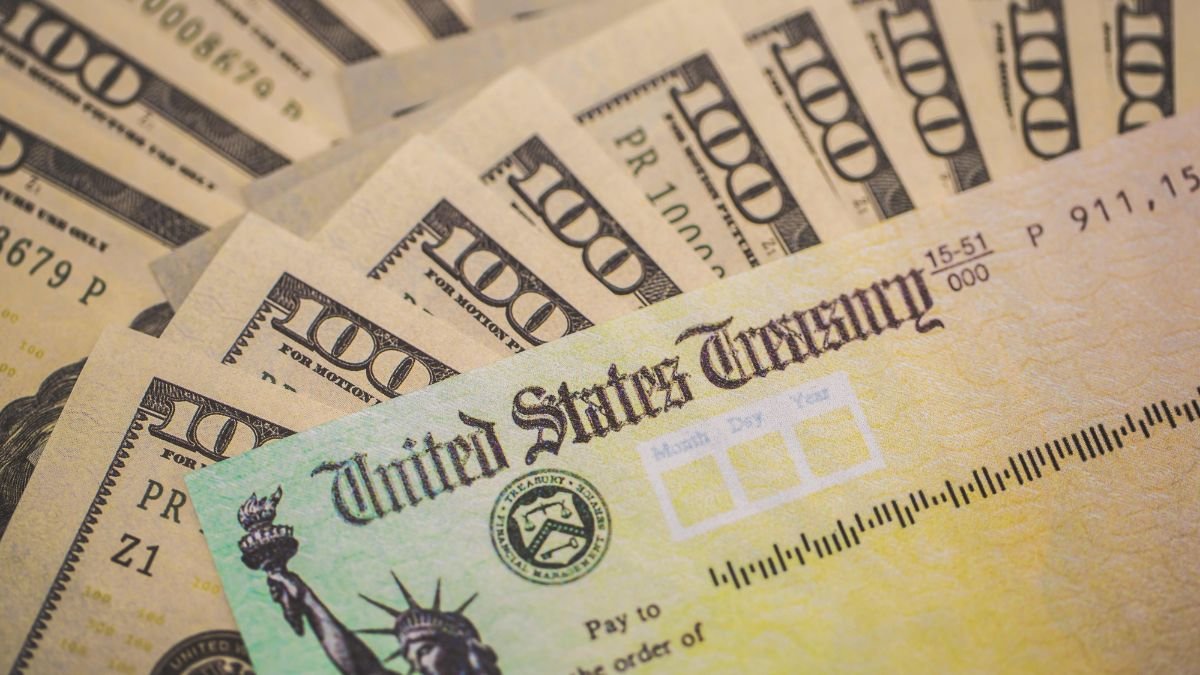
In recent weeks, conversations about a potential $2,000 stimulus check arriving in April have spread rapidly across social media, news platforms, and online communities. For many Americans, the idea of receiving direct financial support once again brings both hope and curiosity. After experiencing multiple rounds of stimulus payments during previous economic challenges, people are understandably eager to know whether another round is truly on the way.
However, as with many viral financial updates, it becomes essential to separate verified information from speculation. While the idea of a new stimulus payment is appealing, not everything circulating online reflects official government action. Understanding what has actually been confirmed—and what remains uncertain—can help individuals make informed decisions and avoid confusion.
What Has Been Officially Confirmed So Far
At this point, there has been no official confirmation from the federal government regarding a new $2,000 stimulus check being distributed in April. Government agencies responsible for economic relief programs have not announced any approved legislation that includes such a payment.
This means that, as of now, there is no guaranteed nationwide stimulus check scheduled for April. While discussions about economic support measures may continue behind the scenes, nothing has reached the stage of formal approval or public rollout.
It is important to rely on official sources when tracking such updates. Announcements regarding stimulus payments typically come through government channels, legislative decisions, and verified financial institutions. Without these confirmations, any claims should be treated with caution.
Why the Rumors Are Spreading So Quickly
The rapid spread of information about a possible $2,000 stimulus check can be attributed to several factors. First, past experiences with stimulus payments have created an expectation that similar support could be introduced again during times of economic uncertainty. This makes people more receptive to such news, even when it is not fully verified.
Second, social media platforms amplify information at an incredible speed. A single post or headline suggesting a new payment can quickly reach millions of people, often without proper context or verification. As a result, speculation can easily be mistaken for fact.
Additionally, economic concerns such as inflation, rising living costs, and financial instability contribute to the desire for relief. When people are facing financial pressure, the possibility of receiving additional support becomes especially appealing, making rumors more likely to gain traction.
The Role of Government and Legislative Process
To understand why a stimulus check cannot simply appear overnight, it is helpful to look at how such payments are approved. Stimulus checks are typically part of broader economic relief packages that must go through a legislative process. This includes proposal, debate, approval by lawmakers, and final authorization.
Even after approval, there are logistical steps involved in distributing payments. Government agencies must coordinate systems, verify eligibility, and ensure accurate delivery of funds. This process takes time and careful planning.
Because of this structured process, any genuine stimulus program is usually announced well in advance, with clear details about eligibility, payment amounts, and distribution timelines. The absence of such details is a strong indication that a rumored payment may not yet be confirmed.
What Might Be Causing the Confusion
Some of the confusion surrounding the $2,000 stimulus check may stem from misunderstandings about other financial programs or updates. For example, tax refunds, state-level assistance programs, or adjustments to existing benefits can sometimes be mistaken for new stimulus payments.
In certain cases, individuals may receive larger-than-expected tax refunds due to changes in deductions or credits. These increases can create the impression that a new stimulus has been issued, even though it is simply a result of regular tax processing.
Similarly, some states may offer targeted financial relief programs that provide payments to eligible residents. While these programs are helpful, they are not the same as a nationwide stimulus check and may not apply to everyone.
The Importance of Verifying Financial News
In an age where information is constantly flowing, verifying financial news has become more important than ever. Relying on unverified claims can lead to unrealistic expectations and poor financial planning decisions.
Before believing or sharing information about stimulus payments, it is essential to check credible sources. Official government websites, trusted financial news outlets, and verified announcements provide the most accurate updates.
Taking a cautious approach helps prevent disappointment and ensures that decisions are based on facts rather than speculation. It also reduces the risk of falling for misinformation, which can sometimes be misleading or intentionally deceptive.
How to Prepare Financially Without Relying on Rumors
While the possibility of receiving a $2,000 stimulus check may be uncertain, there are still practical steps individuals can take to manage their finances effectively. Focusing on budgeting, saving, and planning can provide stability regardless of external support.
Creating a clear financial plan helps individuals understand their income, expenses, and priorities. This can make it easier to handle unexpected challenges and reduce reliance on uncertain sources of income.
Additionally, exploring available resources such as tax benefits, local assistance programs, and financial counseling can provide support in more reliable ways. These options may not always be as widely discussed as stimulus payments, but they can still make a meaningful difference.
Looking Ahead: Could a Stimulus Still Happen?
Although there is no confirmed $2,000 stimulus check for April, it does not necessarily mean that future financial support is impossible. Governments often respond to economic conditions, and new policies can be introduced if needed.
Economic trends, employment data, and inflation rates all play a role in shaping decisions about financial relief. If circumstances change significantly, there may be discussions about additional support measures.
However, any such development would require official approval and clear communication. Until then, it is best to remain informed and avoid relying on unverified information.
Final Thoughts
The idea of a $2,000 stimulus check arriving in April has captured widespread attention, but current evidence suggests that it remains unconfirmed. While rumors continue to circulate, there has been no official announcement supporting these claims.
Understanding the difference between confirmed information and speculation is essential for making informed financial decisions. By staying aware, verifying sources, and focusing on practical financial planning, individuals can navigate uncertainty with greater confidence.
In the end, while the hope for additional support is understandable, relying on accurate information is the most reliable way to stay prepared and avoid unnecessary confusion.
FAQs
Q1: Is a $2,000 stimulus check confirmed for April?
No, there is no official confirmation of such a payment.
Q2: Why are people talking about a stimulus check?
Due to social media rumors and economic concerns.
Q3: Could a stimulus check still happen in the future?
Yes, but it would require official government approval.
Author

khushiiiyadavvv21@gmail.com
Related Posts

2026 GDP Growth Forecasts for the World’s 20 Largest Economies
- 0
- 1,077 word
The picture emerging regarding the global economy for the year 2026 is quite intriguing. On one hand, rising geopolitical tensions worldwide—such as...
Read out all
8th Pay Commission: DA merger at 25%, HRA revision, 3x hike in allowances proposed
- 0
- 1,388 word
For central government employees and pensioners, every major news update regarding salaries, allowances, and pensions invariably becomes a topic of widespread discussion....
Read out all
Social Security Update: New COLA Estimate Could Be Bad News for Seniors
- 0
- 946 words
For millions of retirees, Social Security benefits are more than just a monthly payment—they are a lifeline. Each year, beneficiaries look toward...

Retirement Age Hits 67 in 2026—What Just Changed and Why Millions of Americans Could Be Affected Next
- 0
- 1,008 word
The year 2026 marks a historic turning point for the U.S. Social Security system. Following gradual adjustments implemented over nearly 40 years,...
Read out all
Spain Joins UAE, Saudi Arabia, Italy, Japan, India and Others in Oil Supply Breakthrough as US Strait of Hormuz Blockade Revives Travel, Tourism and Energy Stability Asia, Schengen and Middle East: New Updates to Know
- 0
- 1,362 word
In recent times, a significant shift has been observed in the global energy market and the realm of international travel. A “targeted...
Read out all