
- 0
- 1,216 word
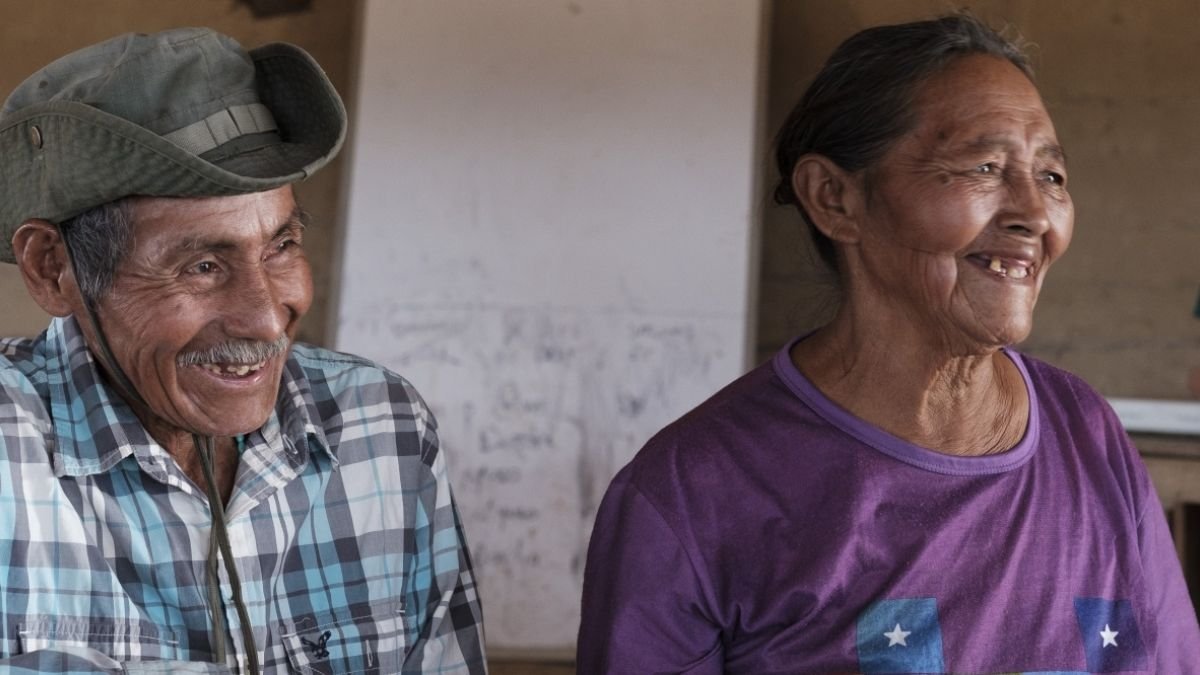
Venezuela’s crisis is often discussed in terms of politics, economics, and migration, but one of its most profound and less visible consequences lies in the psychological well-being of its people. Over the past decade, the country has faced severe economic decline, shortages of basic necessities, and a breakdown of public services. Beneath these visible struggles is a growing mental health crisis that affects millions of individuals in deeply personal ways.
Psychology offers a lens through which we can better understand how prolonged instability impacts human behavior, emotional resilience, and overall mental health. In Venezuela, this crisis is not limited to individuals with pre-existing conditions; it extends to ordinary citizens who are trying to survive in increasingly difficult circumstances.
The Link Between Economic Collapse and Mental Health
Economic instability is one of the strongest predictors of mental health challenges. In Venezuela, hyperinflation, unemployment, and scarcity of basic goods have created an environment of constant stress. People spend hours searching for food, medicine, and essential supplies, which significantly increases anxiety and emotional exhaustion.
Research and reports indicate that the country’s socioeconomic crisis has directly affected the mental well-being of its population, leading to widespread emotional distress.
This constant struggle for survival leaves little room for psychological recovery. When individuals are preoccupied with meeting their basic needs, their mental health often becomes a secondary concern, even though it continues to deteriorate.
A Collapsing Healthcare System
The mental health crisis in Venezuela is compounded by the collapse of its healthcare system. Hospitals lack essential supplies, medications, and trained professionals. Psychiatric institutions, in particular, have been severely affected, with reports of deteriorating conditions and limited access to care.
In some cases, there has been a drastic shortage of psychiatric medications, forcing patients to go without treatment or rely on the black market.
This lack of access to proper care means that mental health conditions often go untreated, leading to worsening symptoms and increased suffering for both patients and their families.
The Rise of Anxiety, Depression, and Suicide
One of the most alarming aspects of Venezuela’s mental health crisis is the increase in anxiety, depression, and suicide rates. Prolonged exposure to stress, uncertainty, and hardship has created a fertile ground for these conditions to develop.
Studies and data suggest that suicide rates in Venezuela have significantly increased over time, driven by factors such as economic hardship, hunger, and social isolation.
The psychological burden of living in such an environment can be overwhelming. Feelings of hopelessness, helplessness, and despair are common, especially among those who see no clear path to improvement.
The Emotional Impact of Migration and Separation
Another major factor contributing to the mental health crisis is mass migration. Millions of Venezuelans have left the country in search of better opportunities, leaving behind families and communities.
This separation creates deep emotional wounds. Those who leave often experience guilt and loneliness, while those who remain face feelings of abandonment and isolation. Families are divided, and social support systems are weakened.
Psychologically, humans rely heavily on connection and community. When these bonds are disrupted, it can lead to increased stress, depression, and a sense of instability.
Daily Stressors and Their Psychological Toll
In Venezuela, everyday life is filled with challenges that would be considered extraordinary in other parts of the world. Power outages, lack of clean water, and food shortages are common occurrences.
Research has shown that even factors like prolonged electricity shortages can have a direct impact on mental health, increasing stress and emotional strain.
These daily stressors accumulate over time, creating a chronic state of psychological pressure. Unlike short-term stress, which can be managed and resolved, chronic stress can lead to long-term mental health issues.
Resilience in the Face of Adversity
Despite these challenges, the people of Venezuela have shown remarkable resilience. Psychology defines resilience as the ability to adapt and recover from adversity, and this trait is evident in many Venezuelans.
Communities come together to support one another, sharing resources and providing emotional support. Informal networks often fill the gaps left by failing institutions, offering a sense of belonging and stability.
However, resilience should not be mistaken for invulnerability. While people may continue to function under difficult conditions, the long-term psychological effects can still be significant.
The Stigma Around Mental Health
In addition to systemic challenges, cultural factors also play a role in Venezuela’s mental health crisis. In many communities, mental health issues are still stigmatized. Seeking psychological help may be seen as a sign of weakness or unnecessary.
This stigma prevents many individuals from acknowledging their struggles or seeking help. As a result, mental health conditions often remain hidden and untreated, further exacerbating the crisis.
The Role of Humanitarian Efforts
In response to the crisis, international organizations and local initiatives have stepped in to provide mental health support. Programs focused on mental health and psychosocial support aim to reduce suffering and improve well-being.
These efforts include counseling services, community outreach, and educational programs designed to raise awareness about mental health. While these initiatives are valuable, they are often limited in scope and cannot fully address the scale of the crisis.
Looking Toward the Future
The mental health crisis in Venezuela is deeply intertwined with the country’s broader social and economic challenges. Addressing it requires a comprehensive approach that goes beyond individual treatment.
Improving access to healthcare, stabilizing the economy, and strengthening social support systems are essential steps toward recovery. At the same time, increasing awareness and reducing stigma around mental health can encourage more people to seek help.
Conclusion: A Crisis That Cannot Be Ignored
Venezuela’s mental health crisis is a powerful reminder that psychological well-being is closely linked to social and economic conditions. It highlights the importance of addressing mental health as a fundamental aspect of human well-being, not just a secondary concern.
Through the lens of psychology, we can see that the challenges faced by Venezuelans are not just physical or اقتصادی—they are deeply emotional and psychological. Understanding this dimension is crucial for creating meaningful solutions and supporting those who are affected.
Ultimately, the story of Venezuela is not only about संकट but also about human resilience, endurance, and the ongoing search for hope in difficult times.
FAQs
1. Why is mental health worsening in Venezuela?
Due to economic crisis, healthcare collapse, shortages, and ongoing social instability.
2. Are mental health services available in Venezuela?
They exist but are limited due to lack of resources, medication, and professionals.
3. How are people coping with the crisis?
Through community support, resilience, and limited humanitarian mental health programs.
Author

khushiiiyadavvv21@gmail.com
Related Posts
Por dentro de las luchas psicológicas de Venezuela en medio del colapso económico.
- 0
- 1,163 word
El país sudamericano Venezuela se enfrenta tanto a una crisis económica como a problemas significativos de salud mental profunda. Venezuela conocida por...
- ansiedad depresión
- bienestar psicológico
- colapso económico Venezuela
- crisis humanitaria
- crisis psicológica Venezuela
- crisis Venezuela
- efectos económicos sociales
- estrés económico
- impacto social Venezuela
- Latinoamérica crisis
- migración venezolana
- pobreza extrema
- salud mental crisis
- salud mental Venezuela
- trauma social
Cómo el colapso económico de Venezuela afecta la salud mental y la sociedad
- 0
- 995 words
Venezuela, país sudamericano anteriormente famoso por su economía floreciente y rica en petróleo, ha vivido la mayor crisis económica en el último...
- ansiedad depresión
- crisis económica efectos
- crisis humanitaria
- economic collapse Venezuela
- humanitarian crisis Venezuela
- impacto social Venezuela
- inflación Venezuela
- Latin America crisis
- migración venezolana
- pobreza Venezuela
- salud mental crisis
- salud mental Venezuela
- social impact economy
- sociedad venezolana
- Venezuela crisis
Mental Health Crisis in Venezuela: Causes, Impact, and Solutions
- 0
- 920 words
Venezuela, once one of Latin America’s wealthiest nations, is now facing a deep and prolonged humanitarian emergency. While economic collapse, political instability,...

Guía de El Limón: Nutrición, Beneficios y Usos del Limón
- 0
- 823 words
El limón, conocido como “El Limón” en español, es un cítrico muy común y extremadamente útil que se encuentra en casi todas...
Monto en bolívares del primer Ingreso por Guerra Económica: correspondiente a abril
- 0
- 821 words
El mes de abril de 2026 se considera crucial para quienes dependen del Ingreso por Guerra Económica (Ingreso por Guerra Económica) que...

Mezclar café con bicarbonato | Para qué se utiliza y por qué se recomienda
- 0
- 868 words
Hoy en día, la gente recurre cada vez más a remedios caseros y métodos naturales, especialmente a aquellos que se encuentran fácilmente...